Bloomin’ June!

 Drip System, at Last!

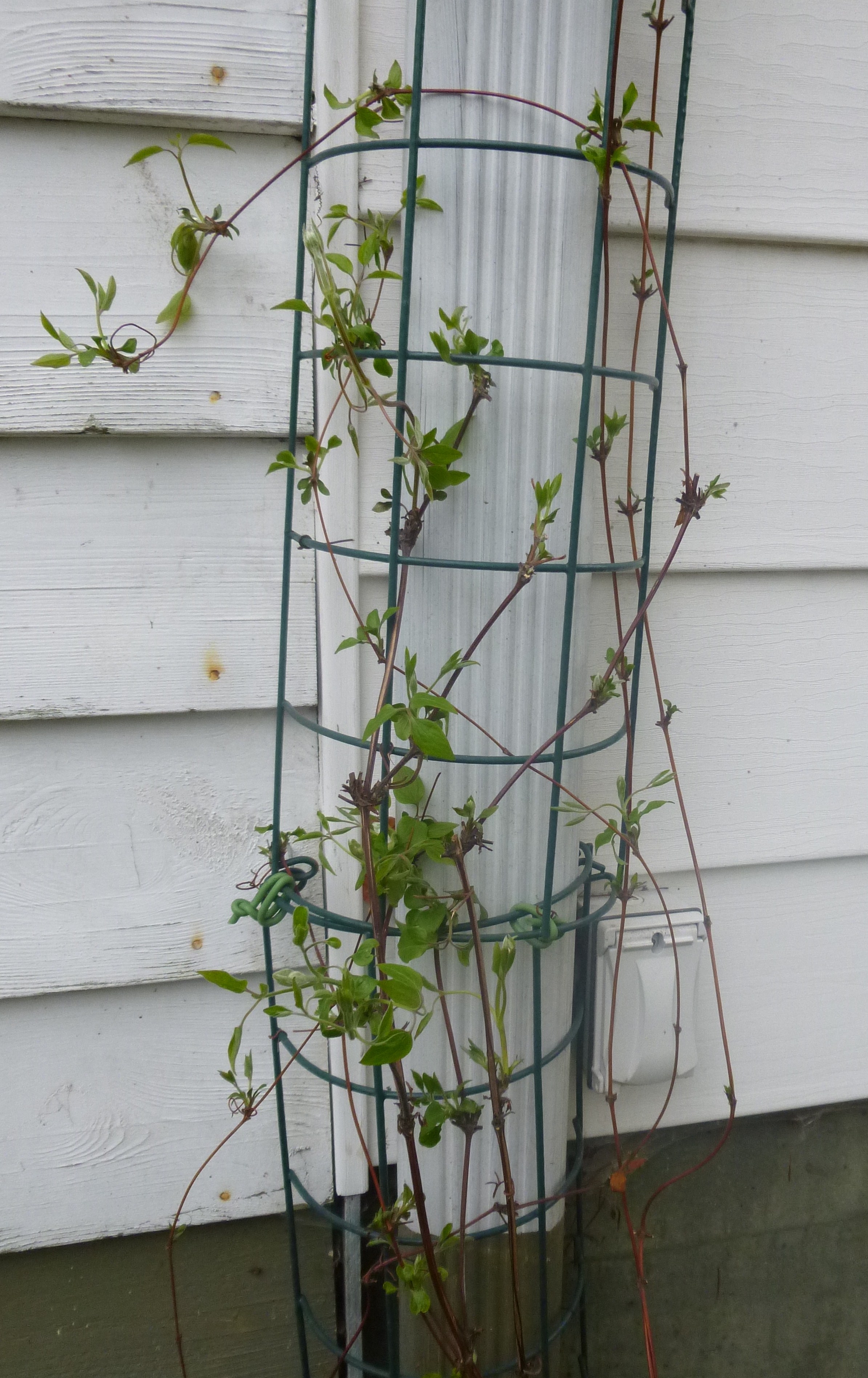
Each clematis has its very own emitter!

Each clematis has its very own emitter!

Life is good. My friend Sean helped me (uh, well, actually, I carefully watched him) put in a drip system for my clems and all my pots. I am in heaven. With the dry spell we’ve been having, I have NOT had to spend hours (sometimes DAYS) watering. YayHA! Thank you, Sean. He showed me how to tweak the system myself, and I plan to make some tweaks this weekend. Hmmm, we’ll see how that goes.

Soon I’m Off to the International Clematis Conference in Germany
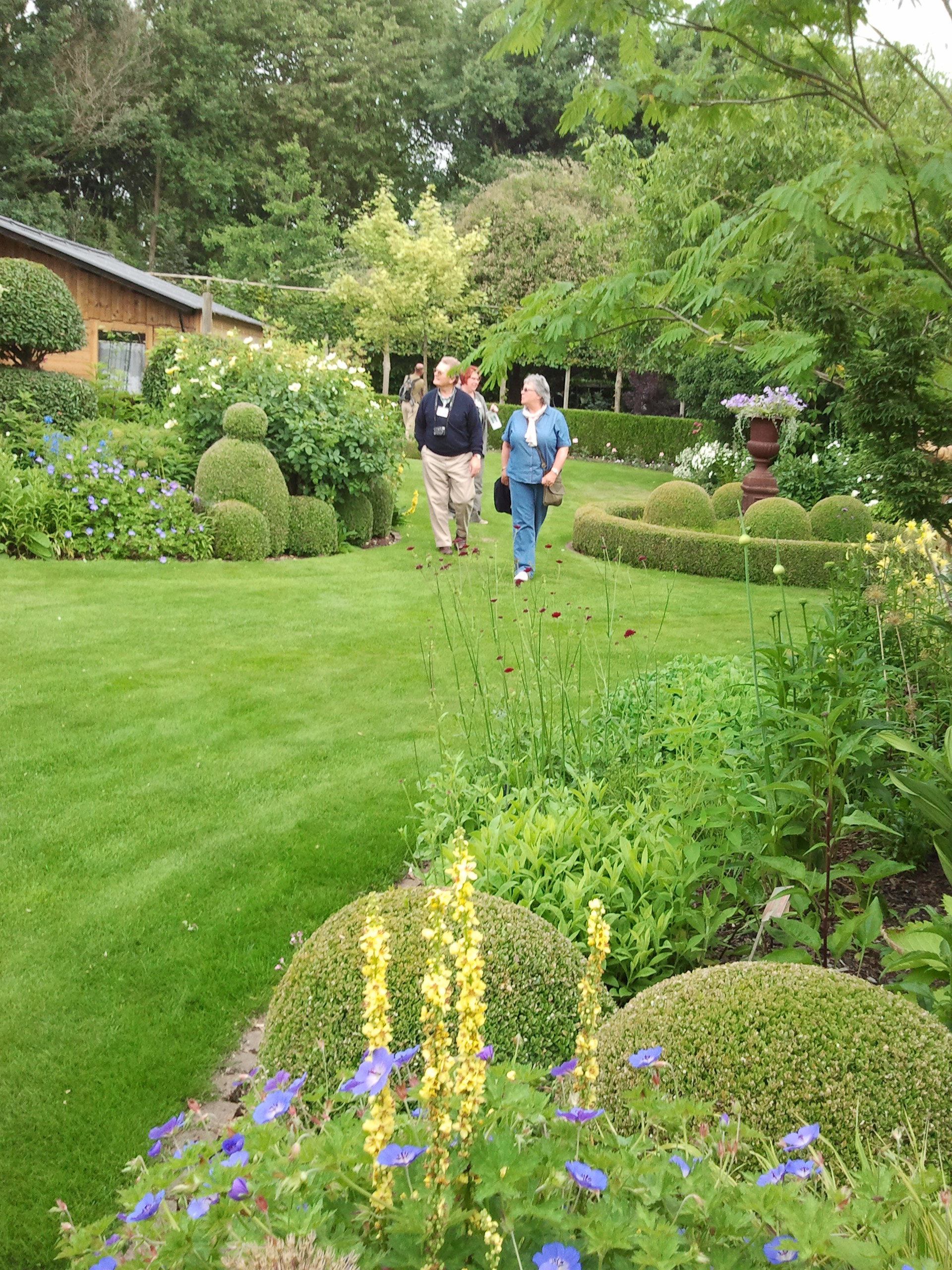
Where are the clems? (2011 Belgium Conference)

Where are the clems?
(2011 Belgium Conference)

Yes, it’s true. There actually is an annual international conference where clematis enthusiasts from all over the world gather together to immerse themselves in clematis for a whole week. Later this month I will be heading to southern Germany to attend my third conference (the other two were in Portland, Oregon, and Belgium). Now, I know you are probably imagining us sitting around in a stuffy conference room listening to erudite lectures about obscure clematis. Oh, no, each day all 60 or 70 of us visit two to four gardens and nurseries together–punctuated with rest stops for delicious food and drink, amid comraderie in a multitude of languages.  But just imagine our consternation when, once in a while, we visit a garden with no clematis! Though we are able to enjoy the garden anyway, we are mystified that a gardener could actually neglect to weave at least one clematis into the garden design. We might even find a little time for one of those erudite clematis lectures, too. I plan to take lots of photos and hope to post from Germany, so keep a lookout (I’ll be in Europe from June 27 – July 11).

Bloomin’ June

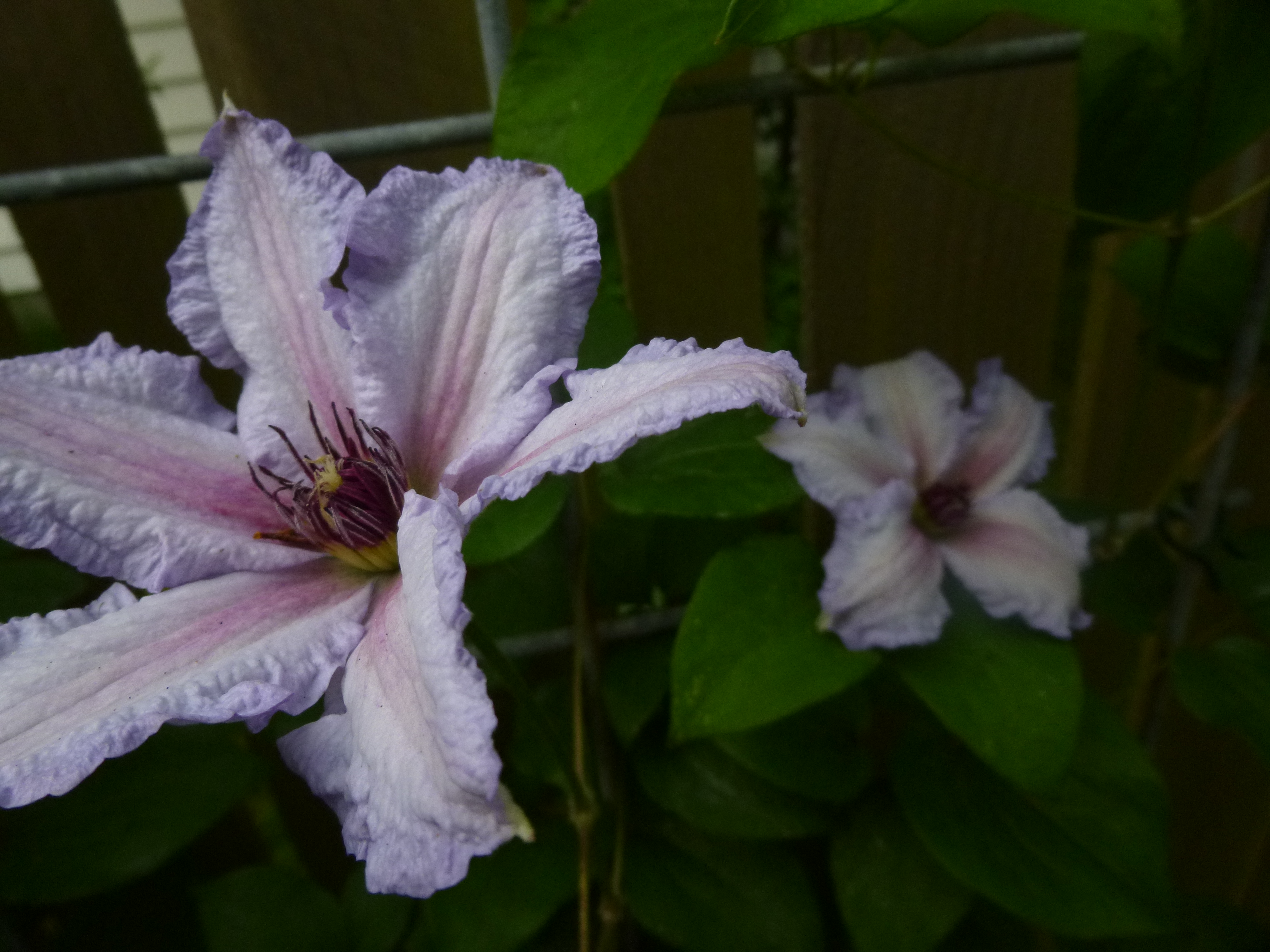
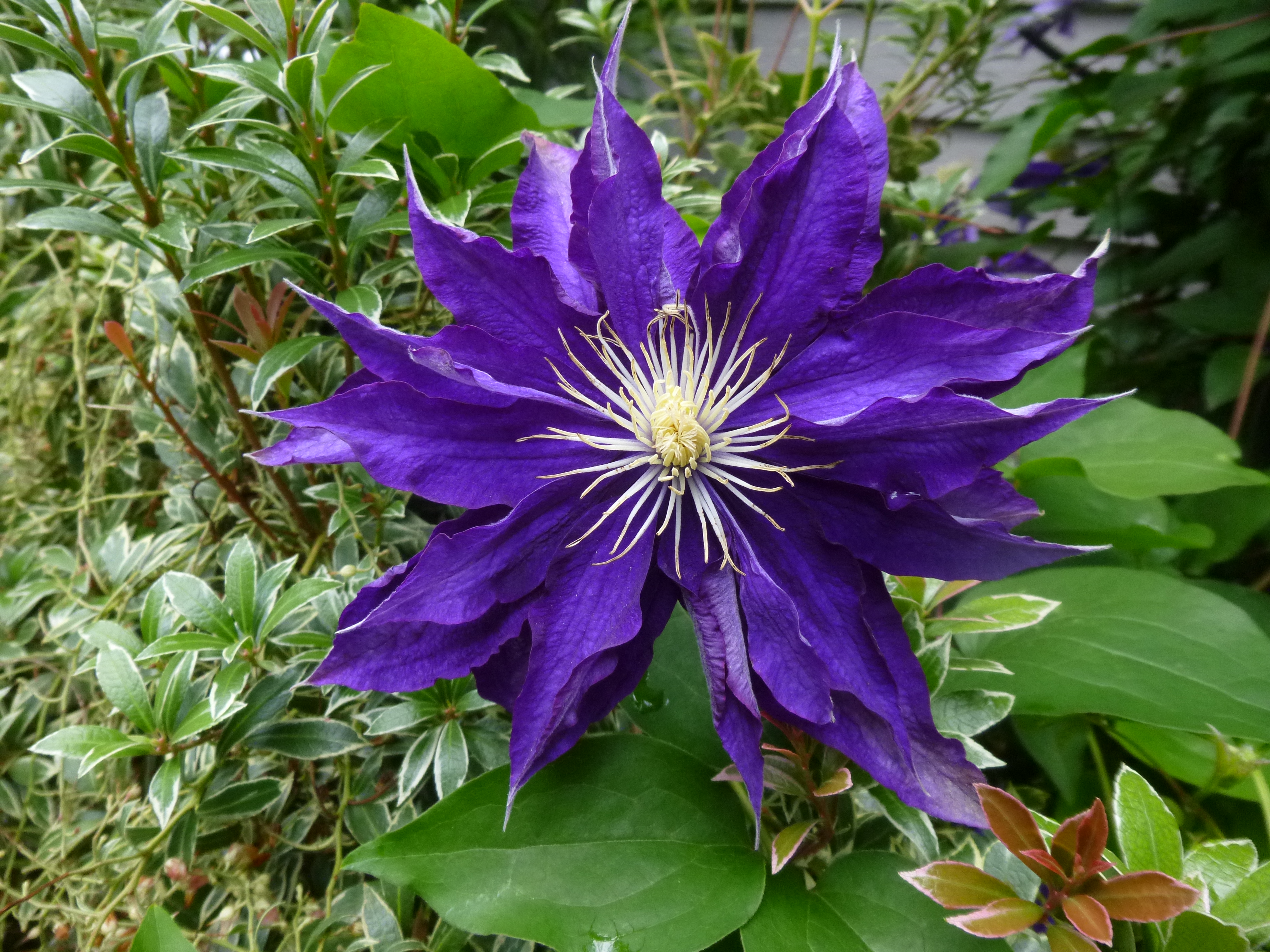
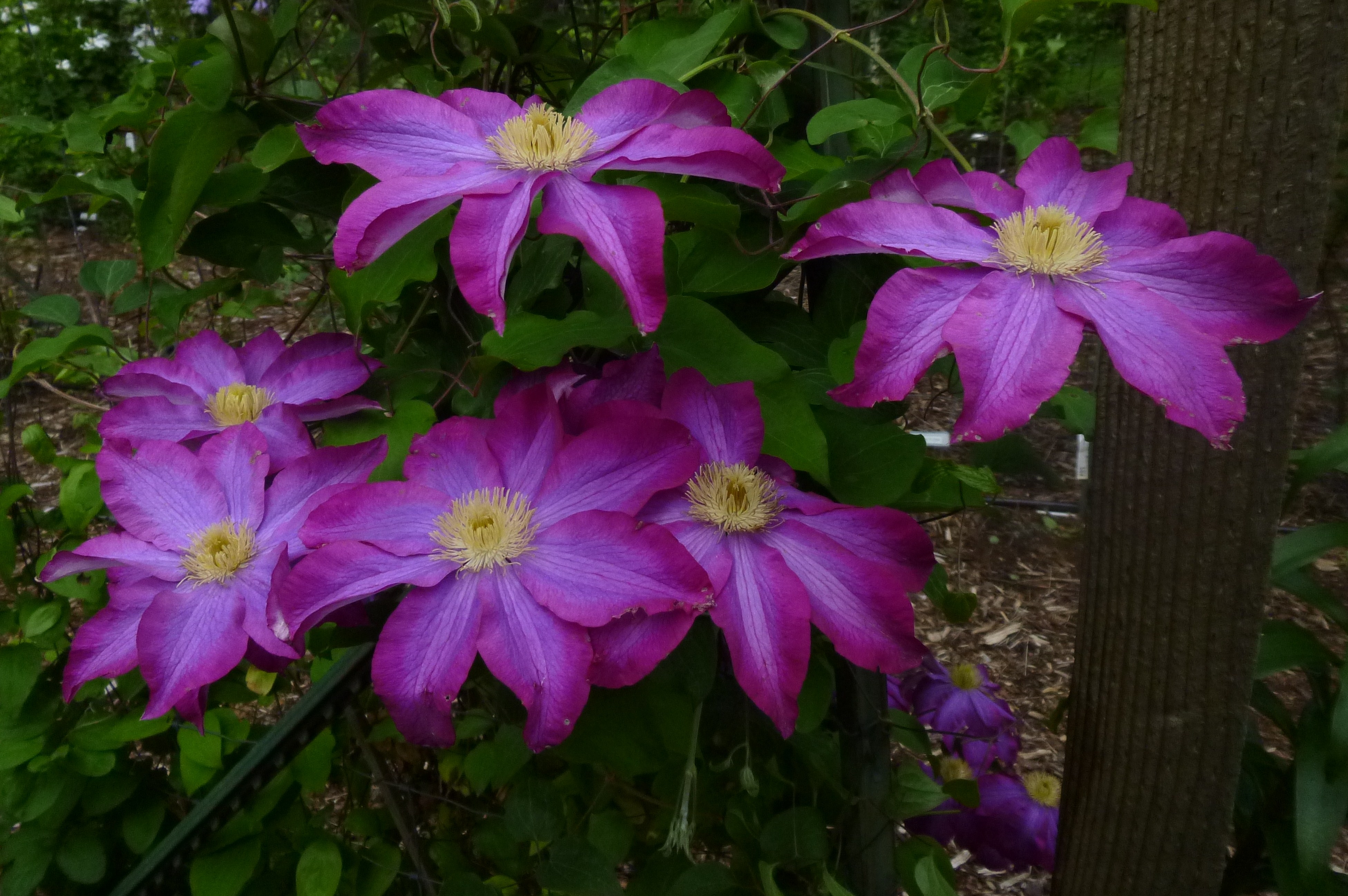
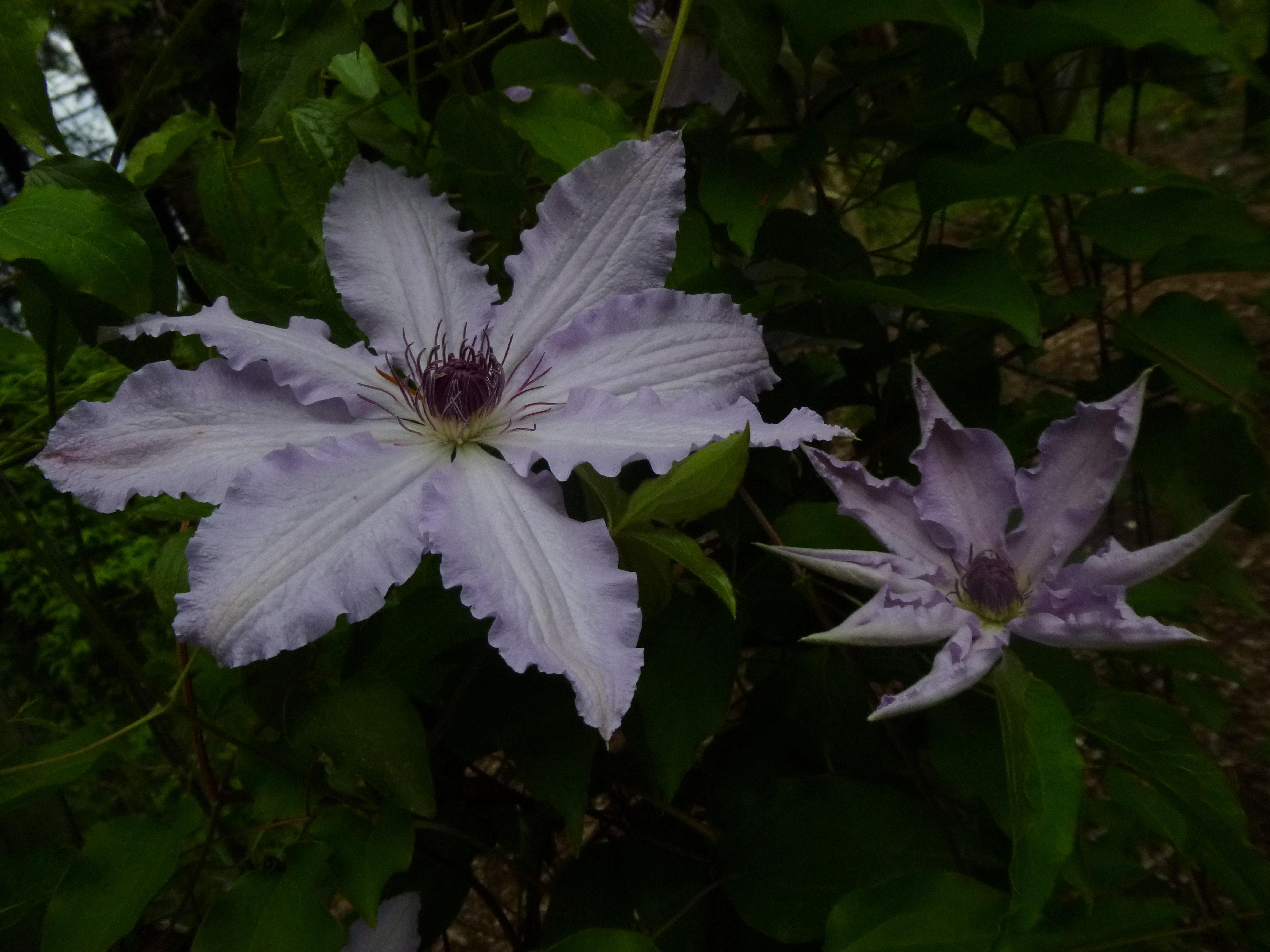
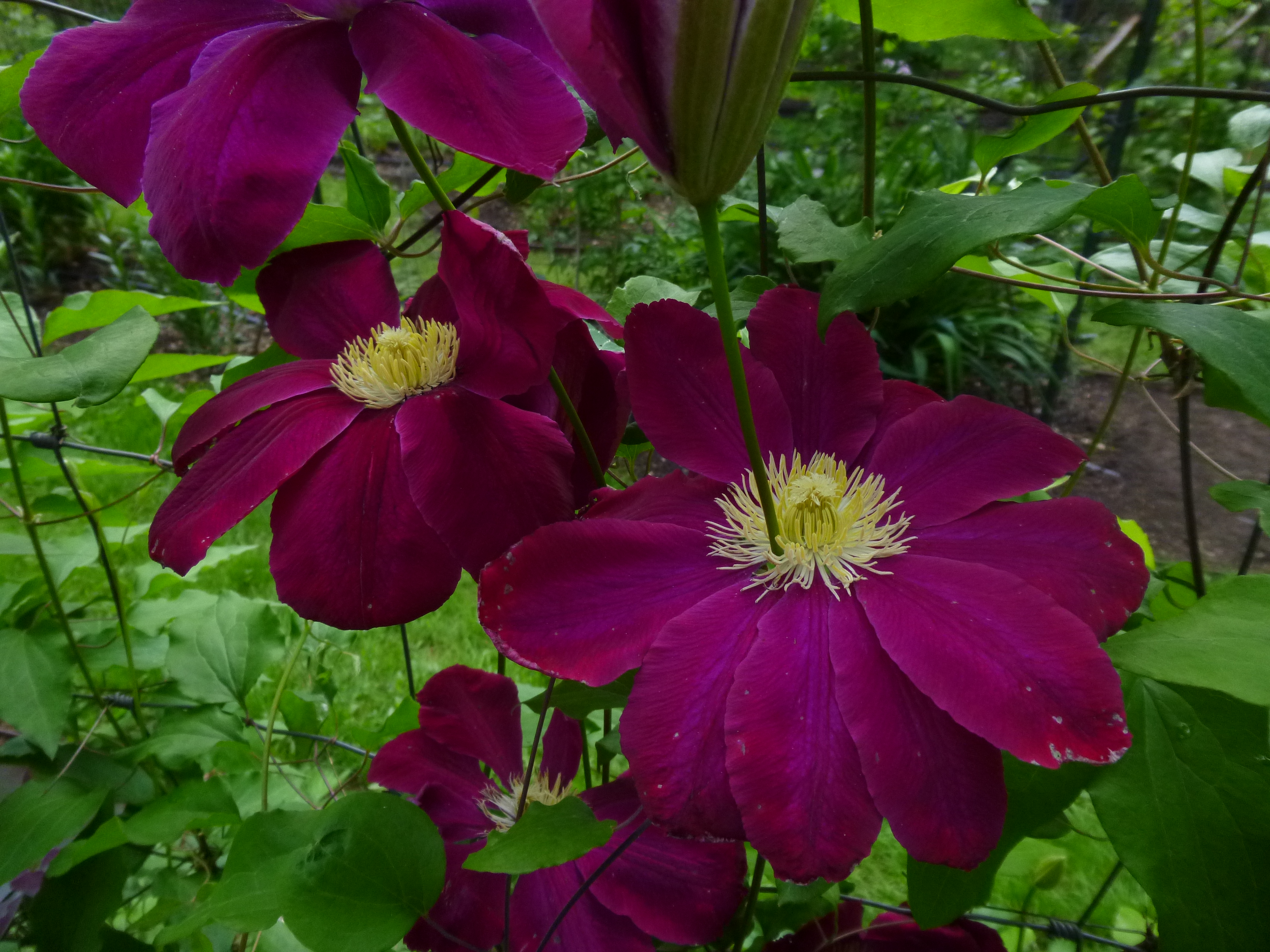
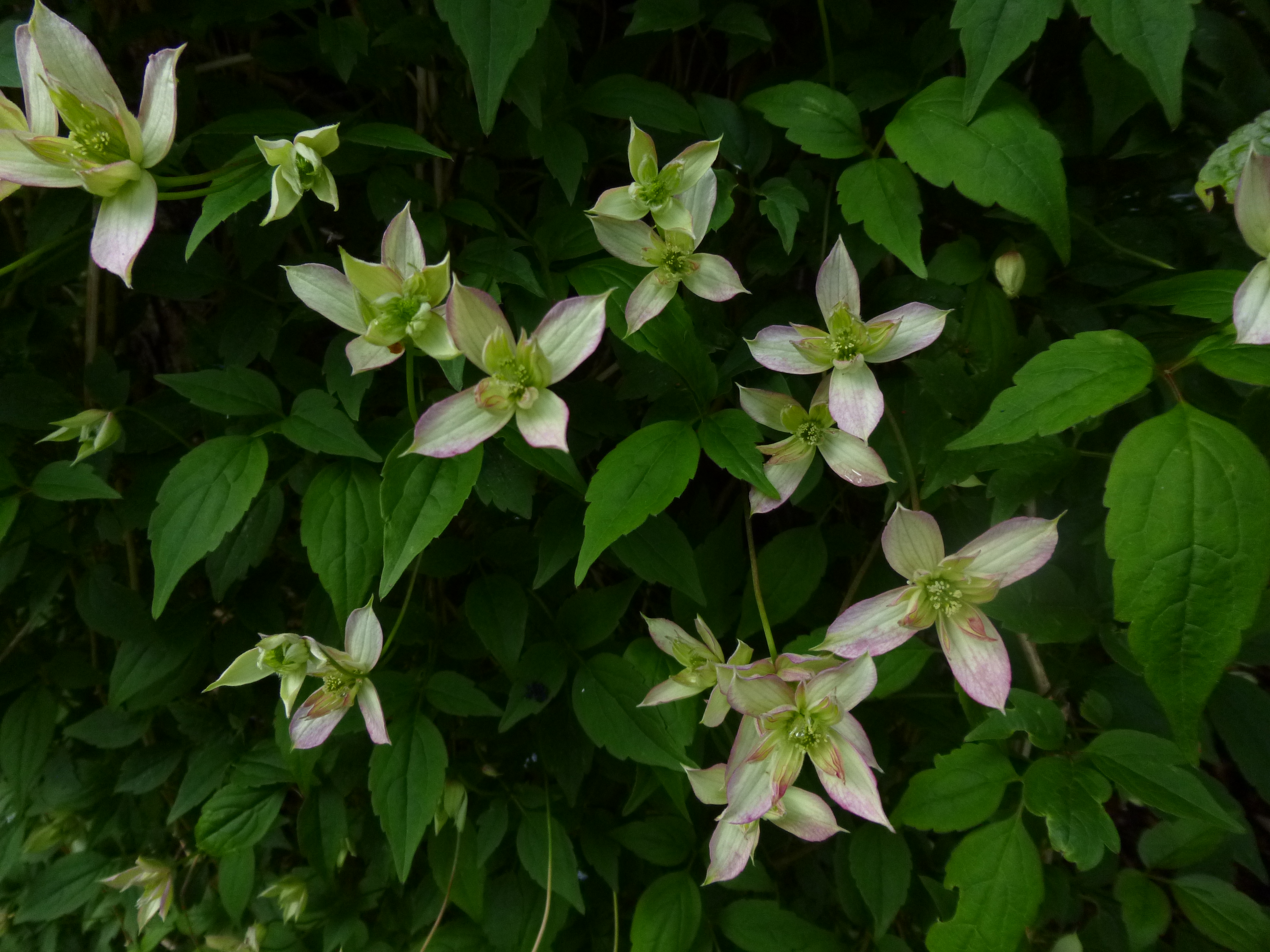
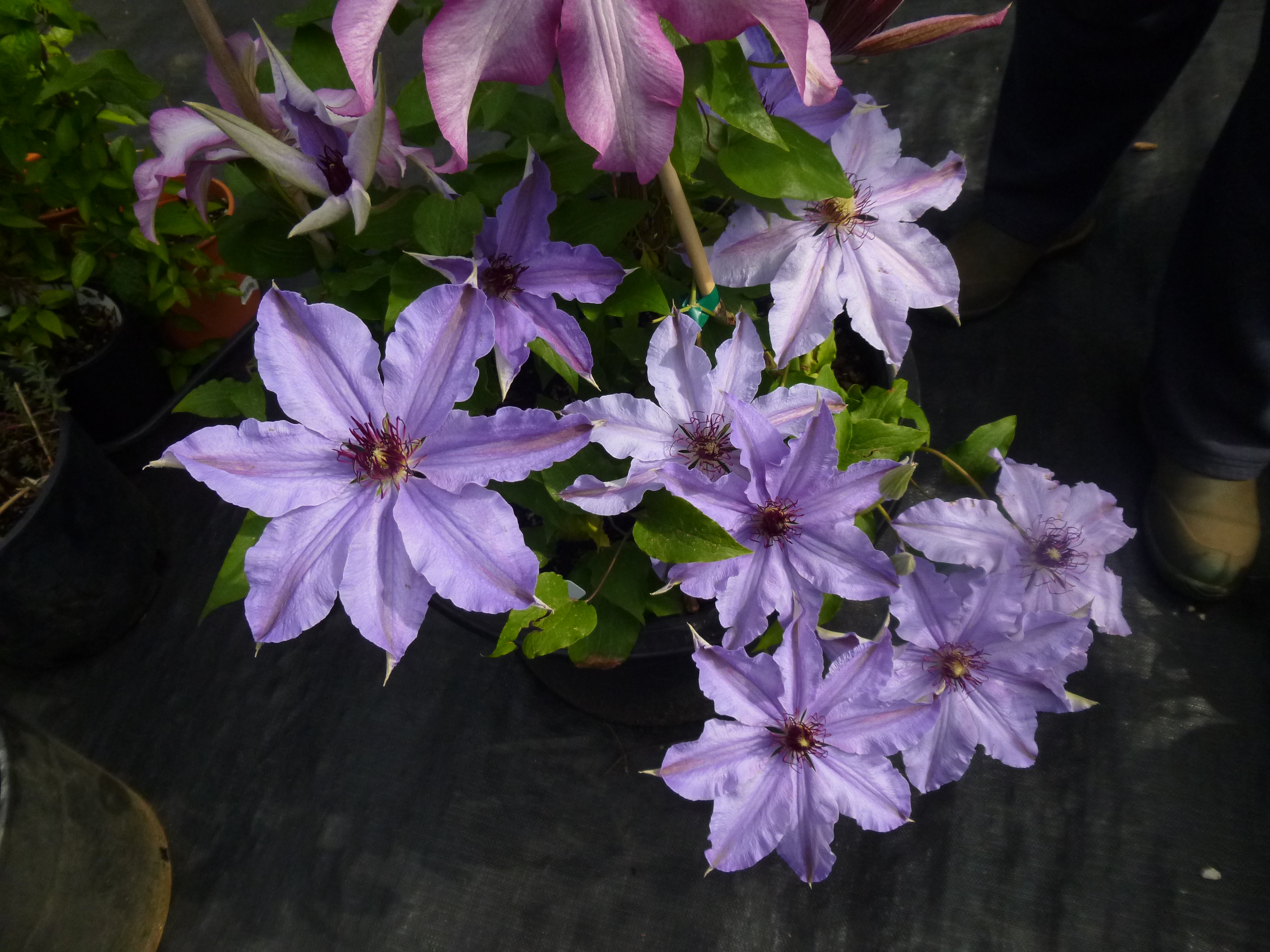
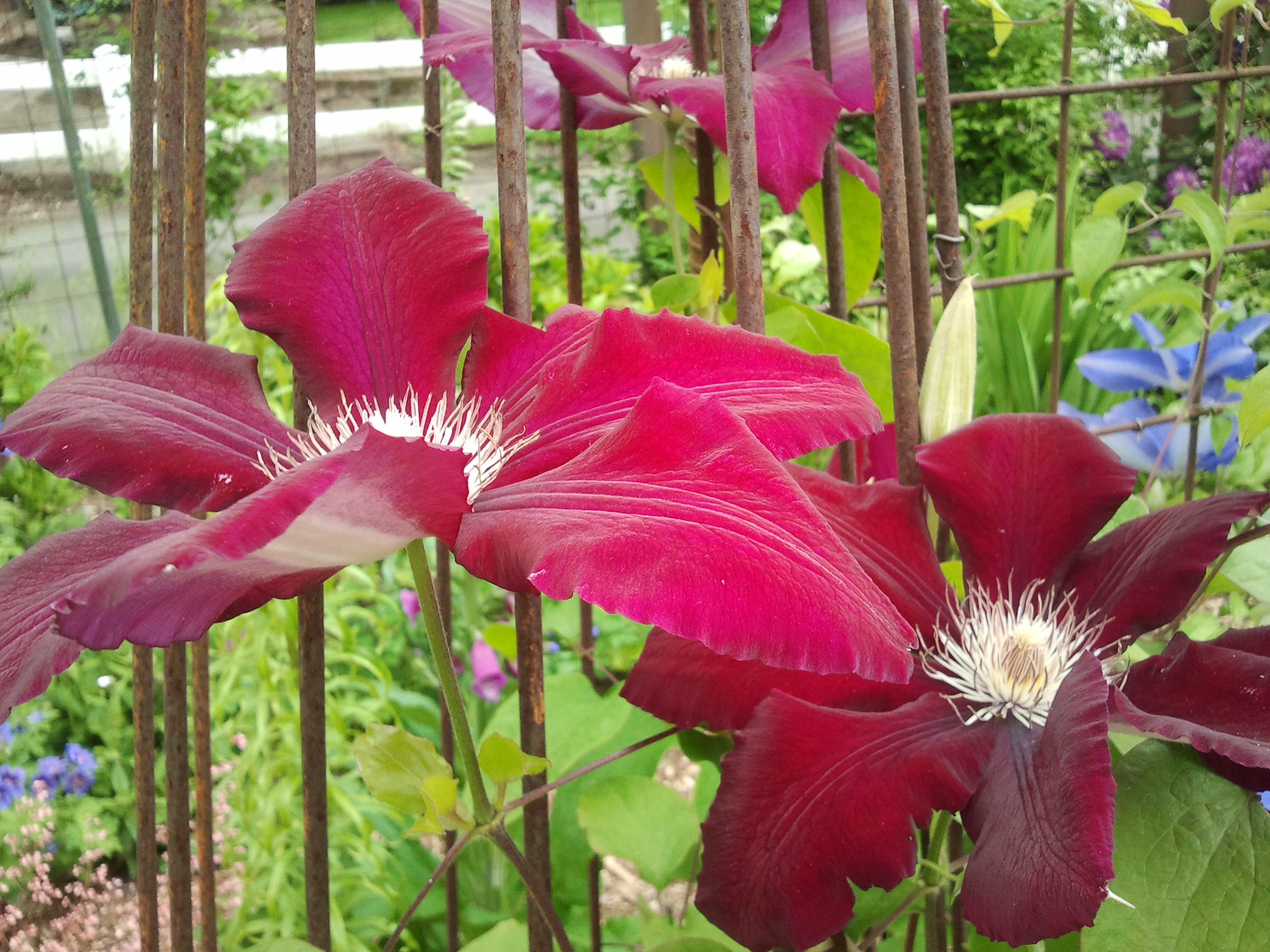
My garden is in transition now between last of the large-flowered May-June bloomers and the beginning of the later-blooming clematis. Every day I find another clematis in bloom — what an exciting time! Here are just a few of my beauties:

Clematis Caroline, just starting her show.
Clematis Caroline, just starting her show.

Sweet Little Clematis Hakuji

Sweet Little Clematis Hakuji

Clematis Vyvyan Pennell (first bloom ever after four years of wilt!)

Clematis Ekstra

Clematis Ekstra

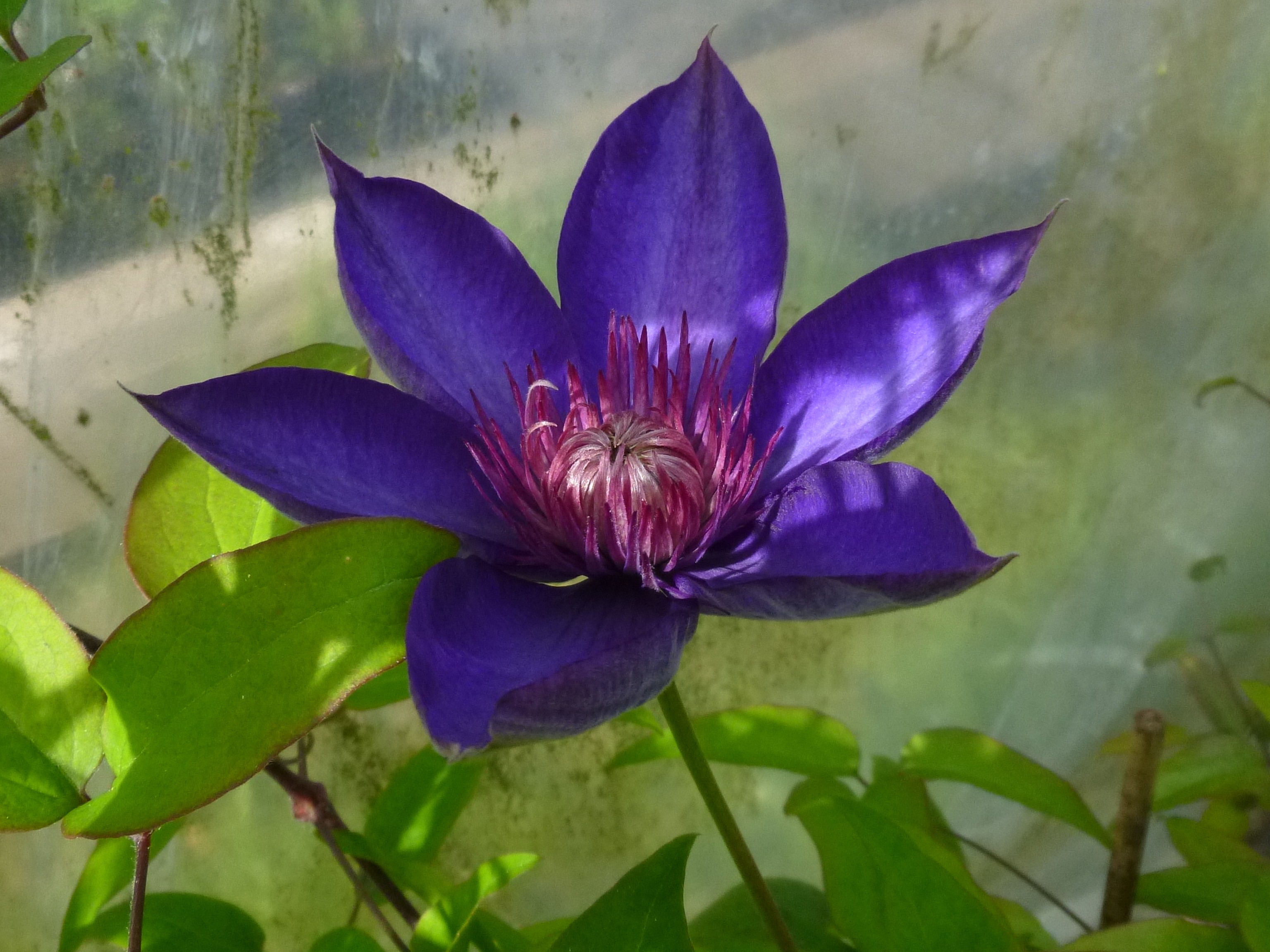
First Blossom of Clematis Etoile Violette (must be 5" wide!)

First Blossom of Clematis Etoile Violette (must be 5″ wide!)
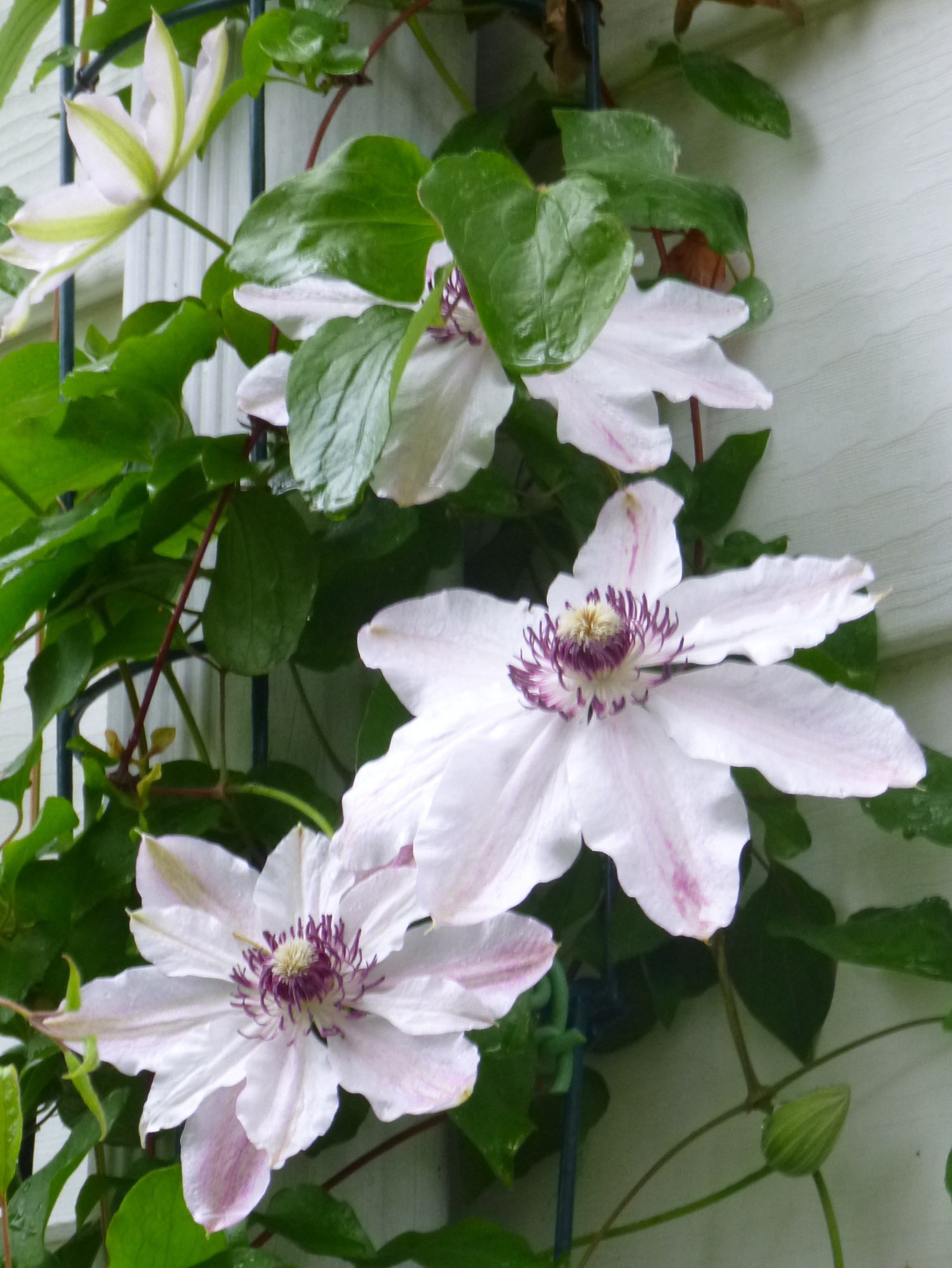
Clematis Fair Rosamond, winding down

Clematis Fair Rosamond, winding down

Clematis Fugimusume
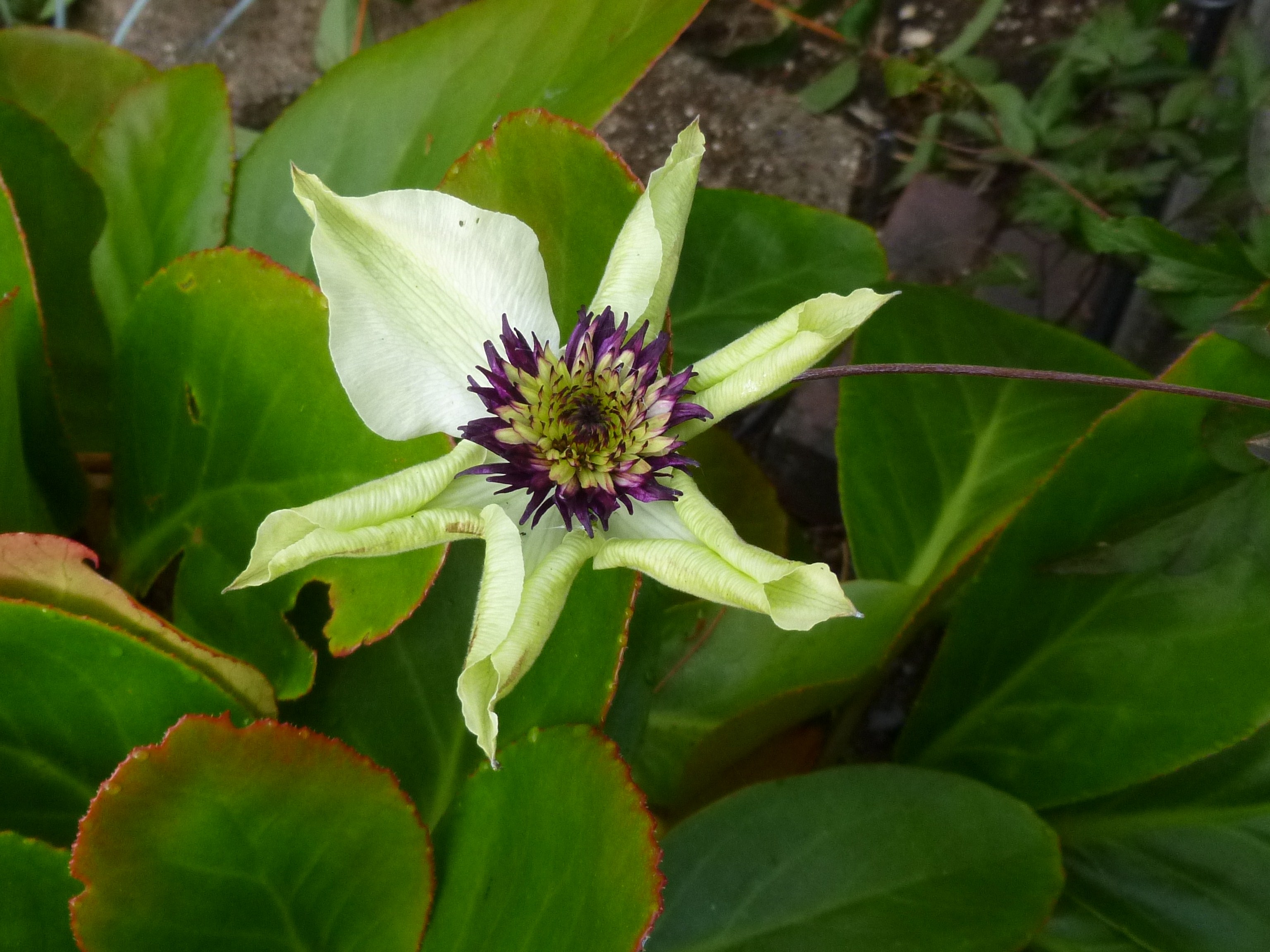
Clematis Fugimusume

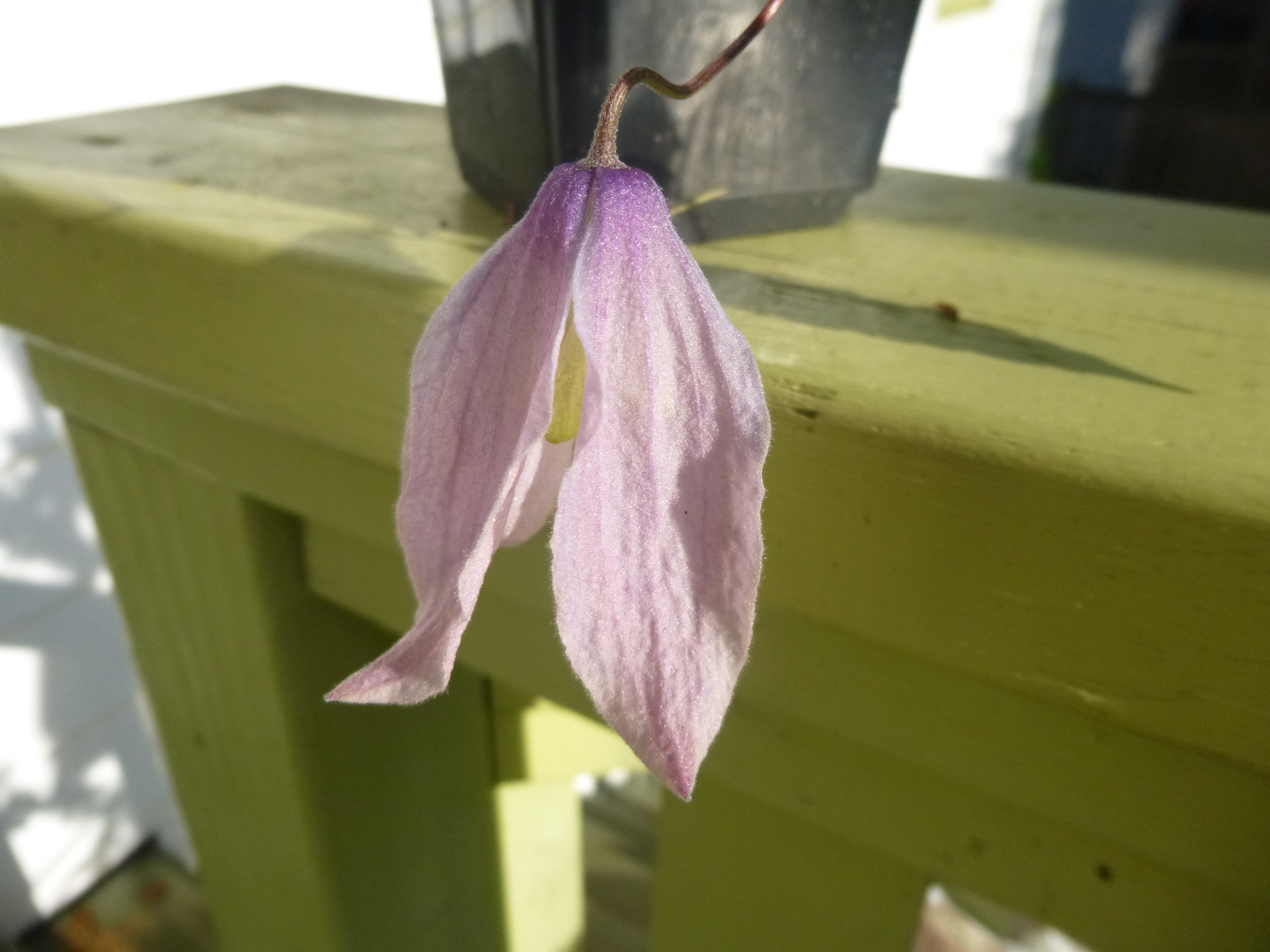
First ever bloom on my new Clematis florida
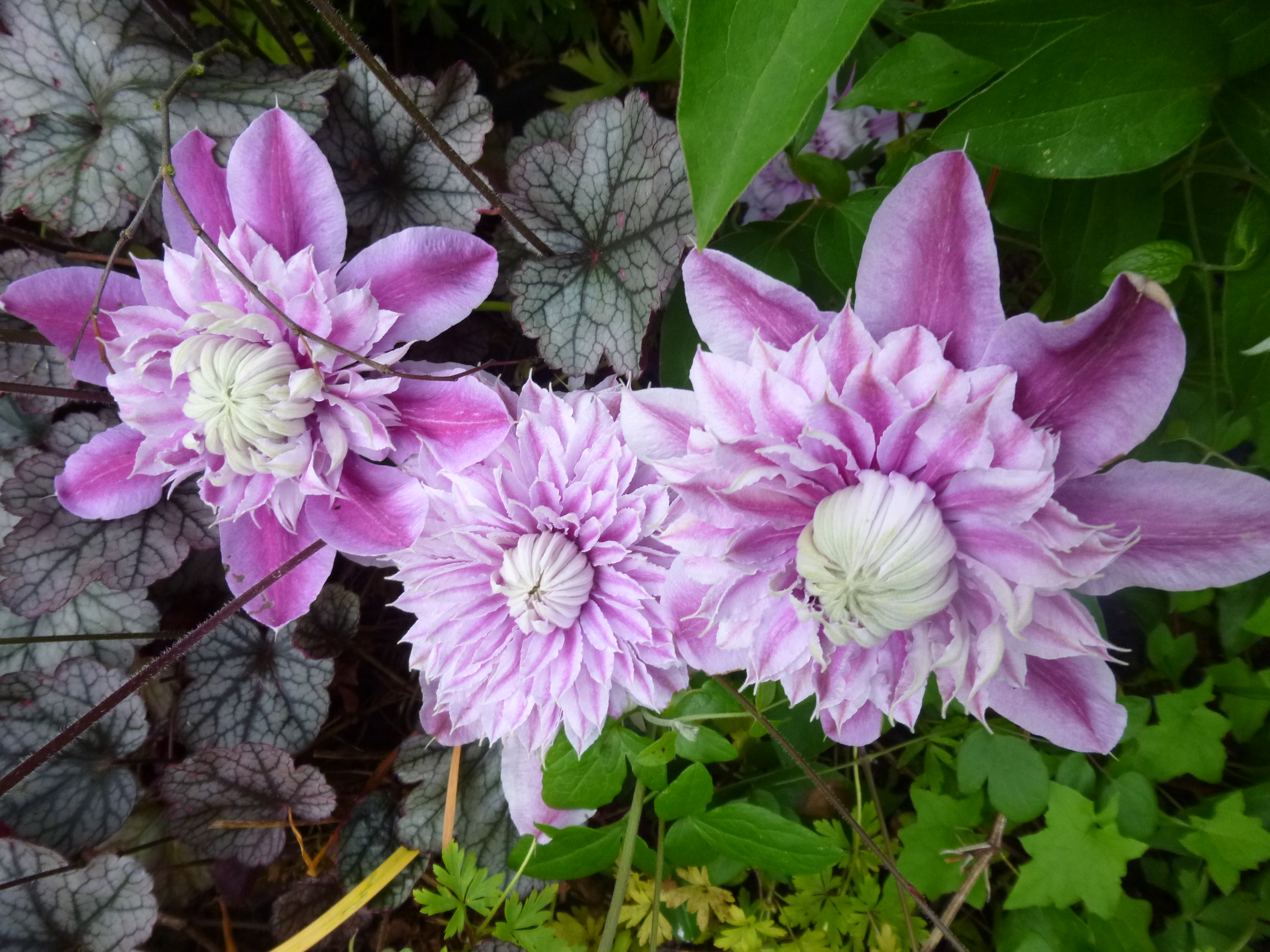
First ever bloom on my new Clematis florida

Clematis Josephine, still going and going

Clematis Josephine, still going and going

Clematis The First Lady (she'd look lovely with the dark purple  Clematis The President )
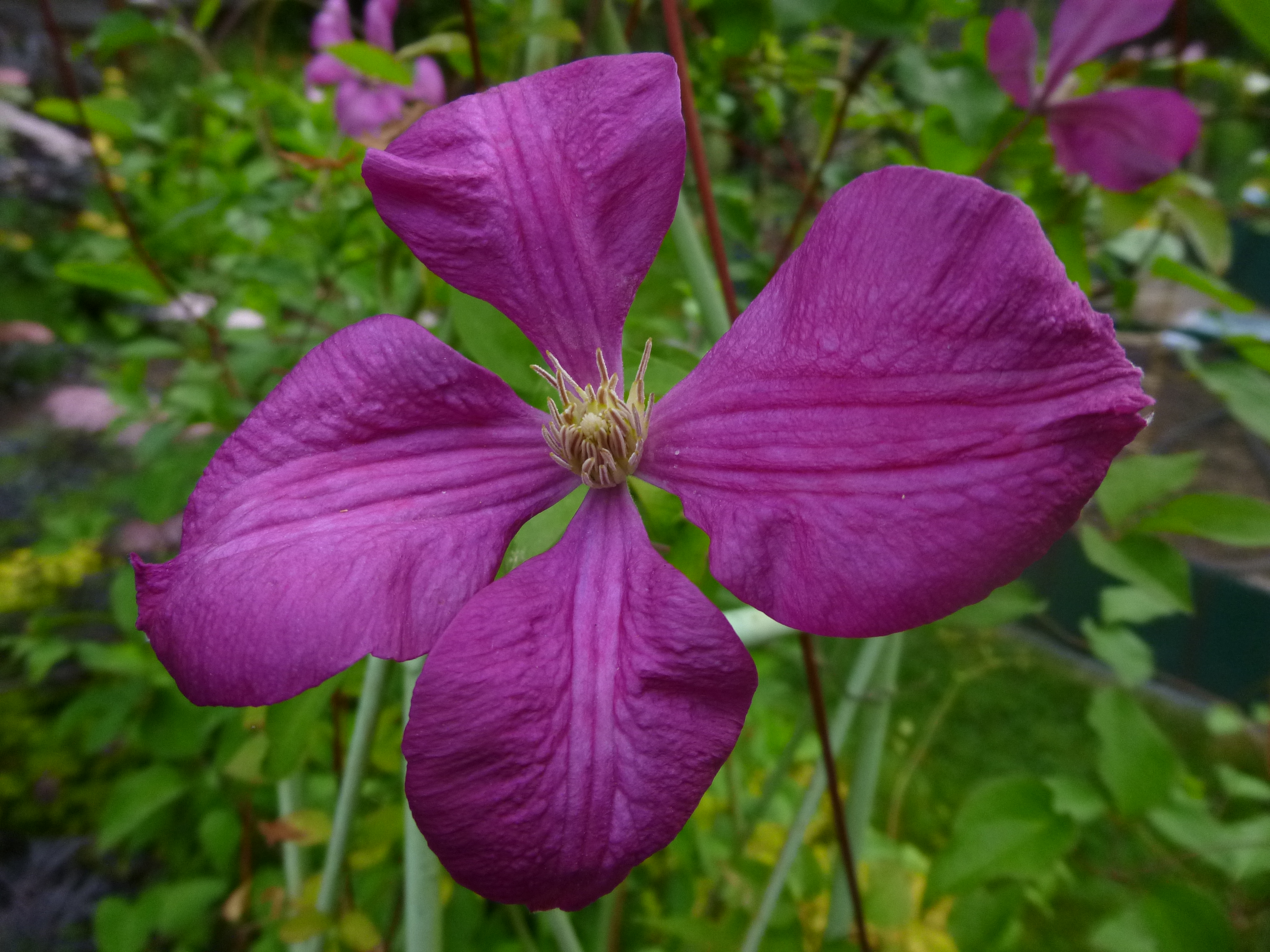
Clematis The First Lady (she’d look lovely with the dark purple Clematis The President )

Clematis Margot Koster
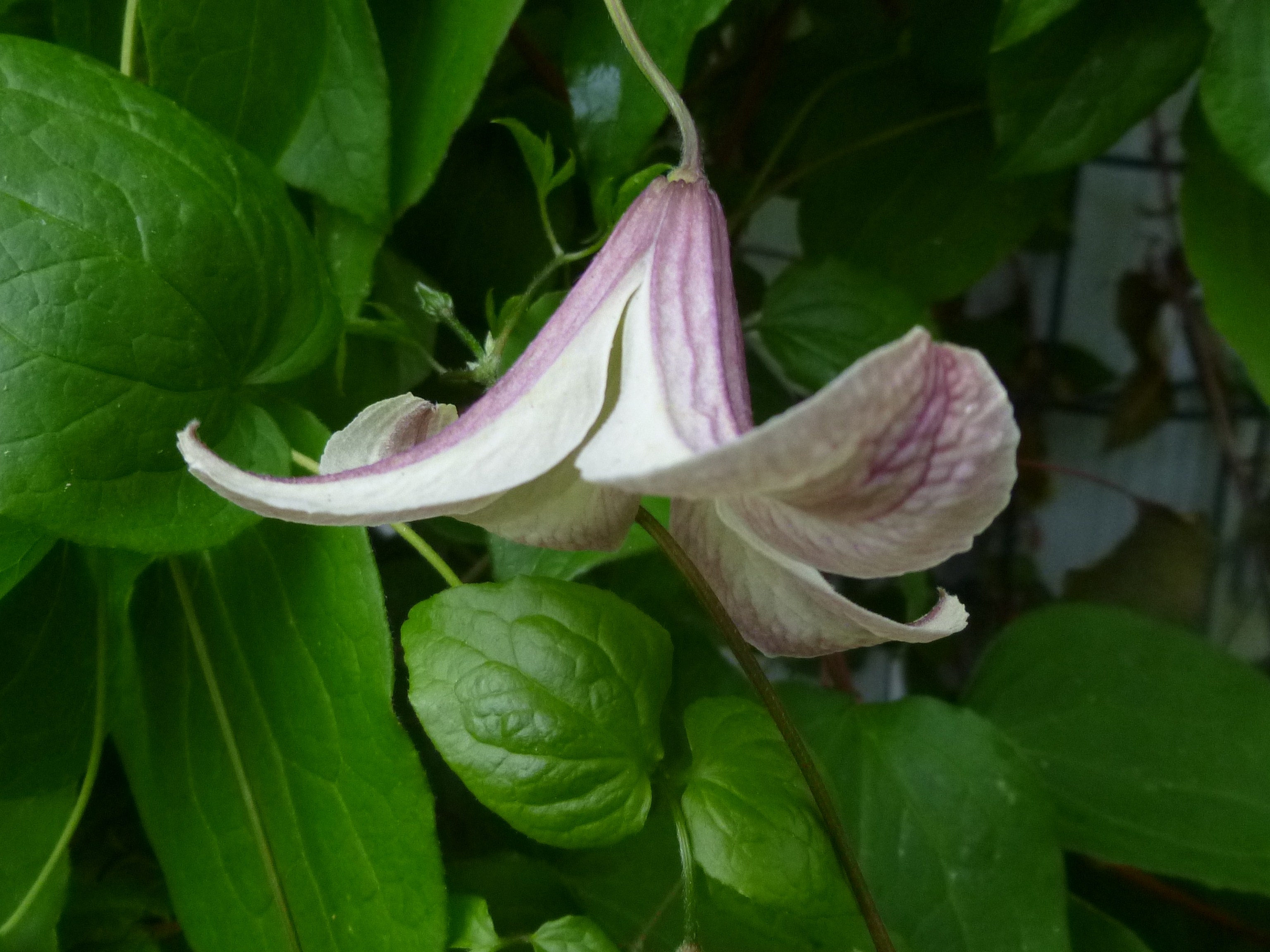
Clematis Margot Koster


First of Many for my Recently Moved Clematis Pagoda
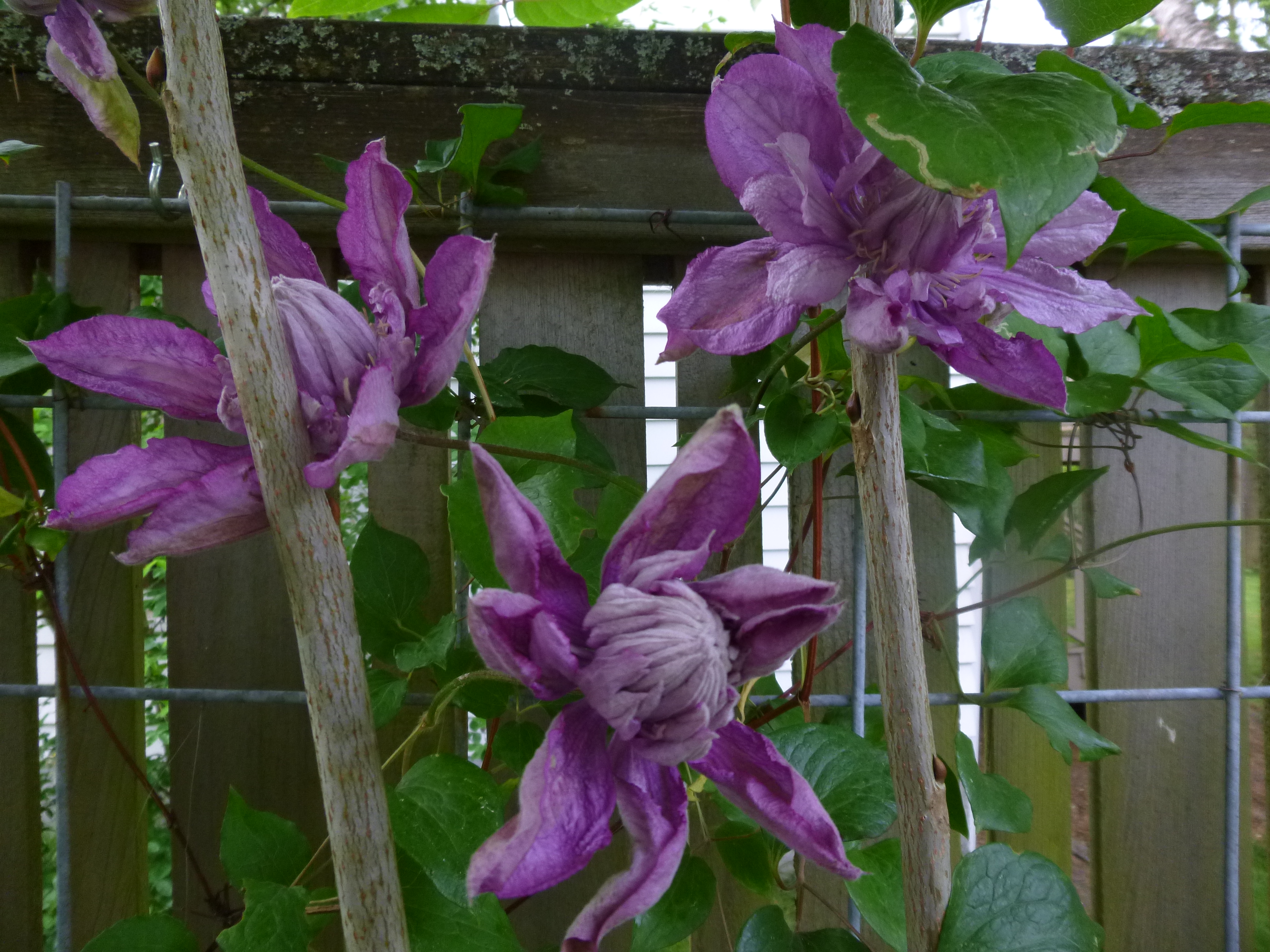
First of Many for my Recently Moved Clematis Pagoda
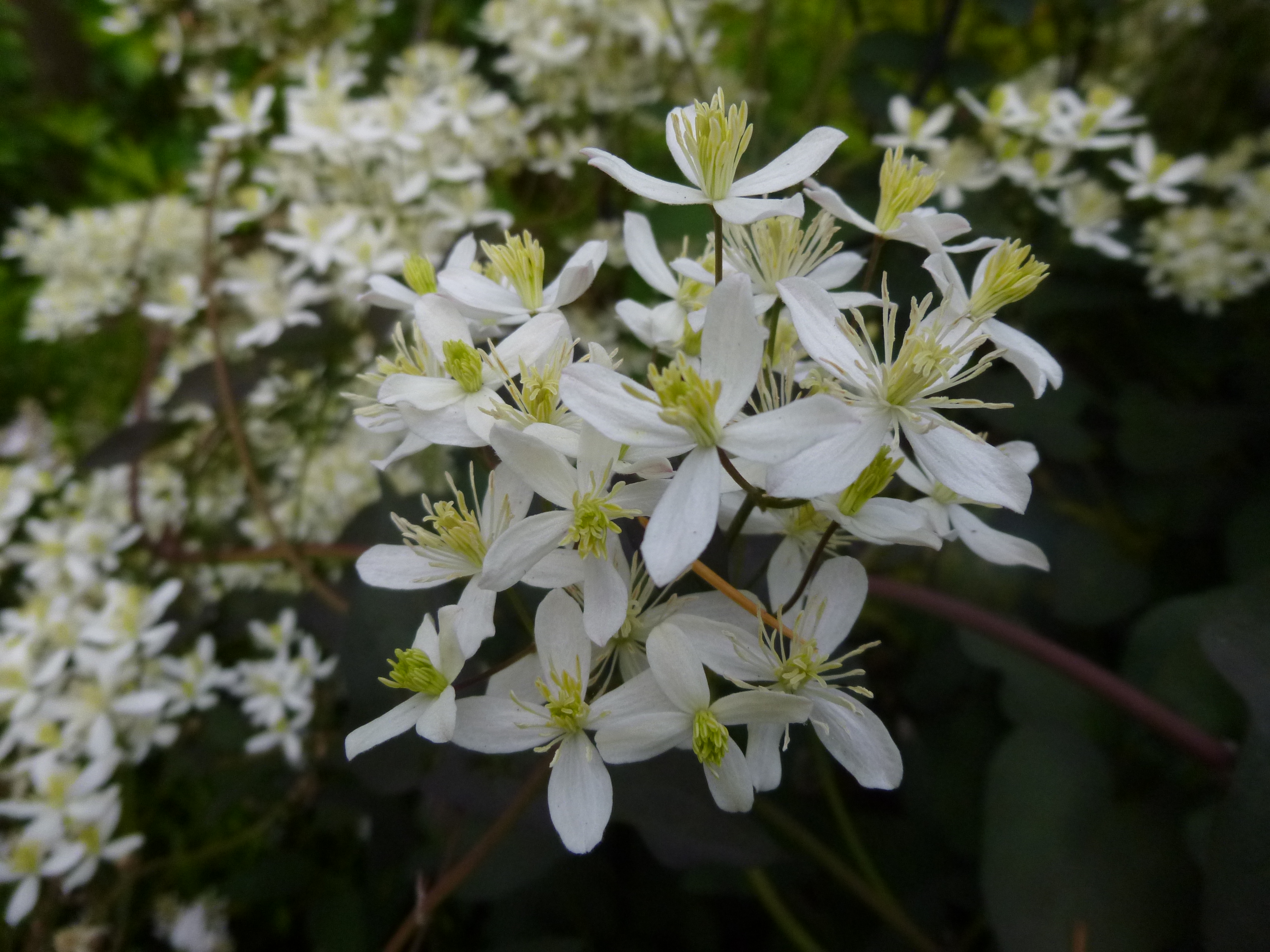
Clematis Proteus

Lounger (non-climber) Clematis recta purpurea
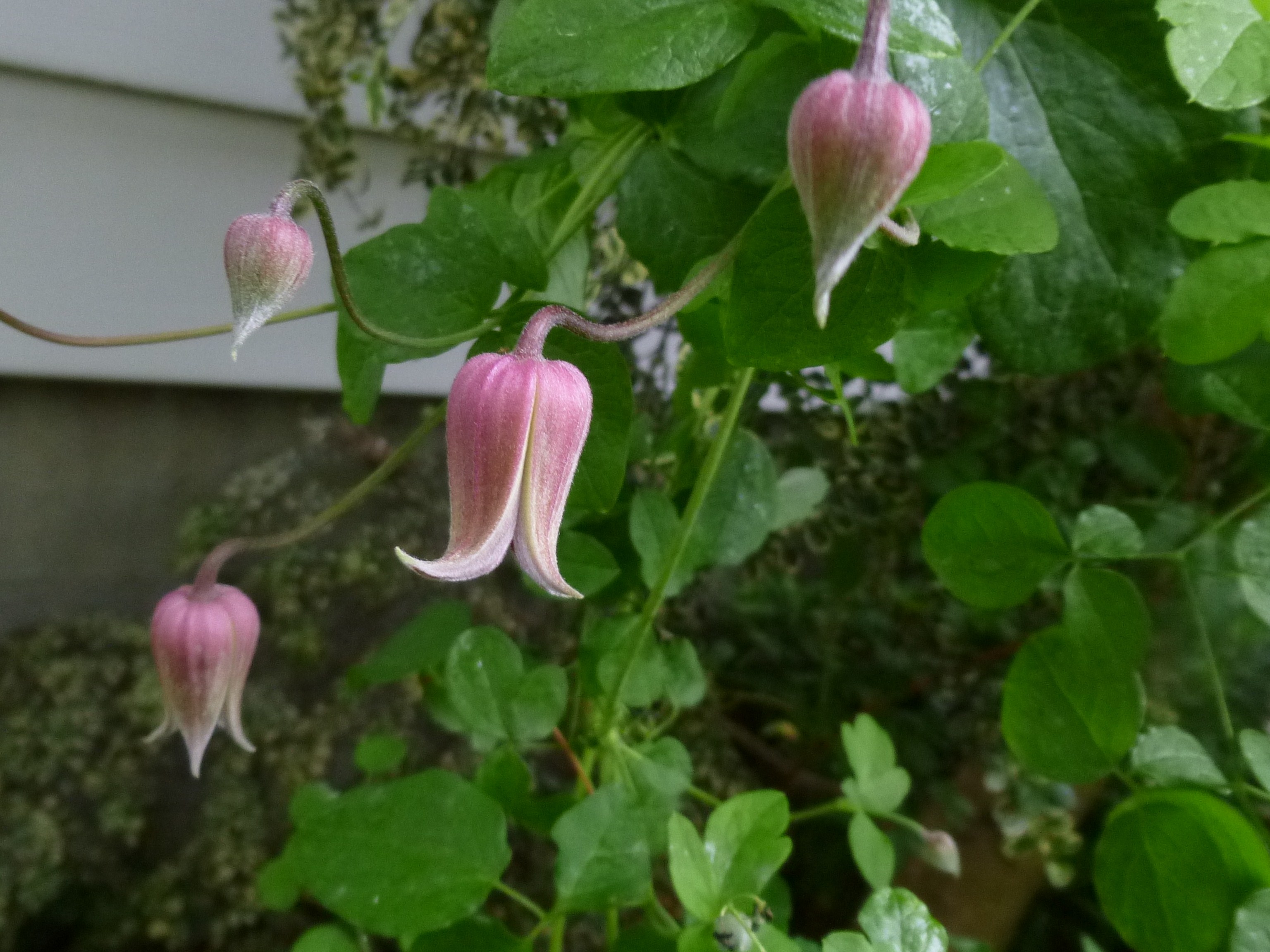
Lounger (non-climber) Clematis recta purpurea

Clematis Sonnette--adorable!

Clematis Sonnette–adorable!
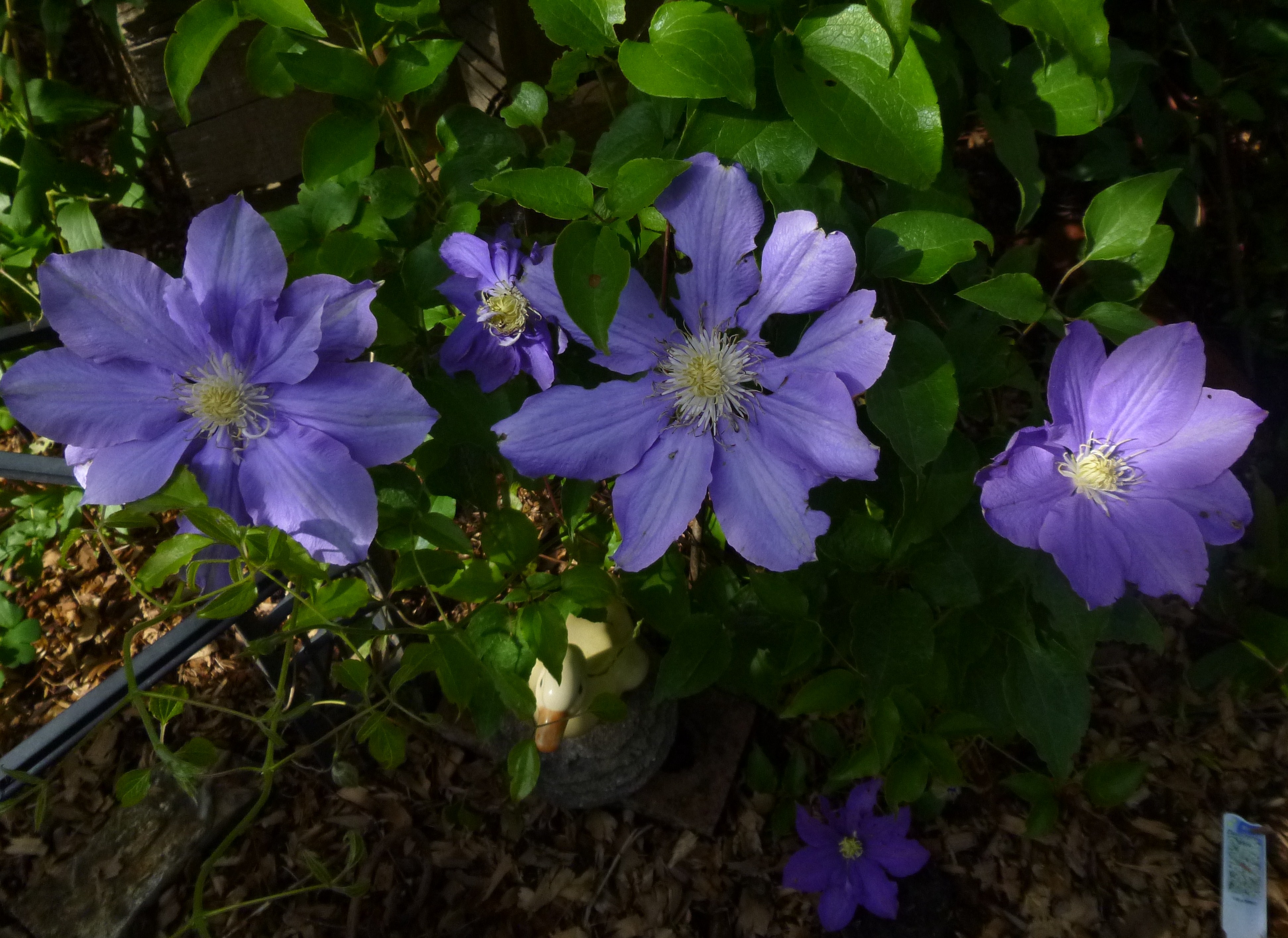
A Fabulous Clematis Weekend

Last weekend, my husband and I drove down to Portland for a few days to relax, eat well, and just enjoy ourselves! For me, of course, that includes CLEMATIS! We visited Joy Creek Nursery, enjoyed an Inviting Vines Garden Tour of five lovely Portland gardens, checked out the fabulous gardens of the Rogerson Clematis Collection, and topped it all off with a special visit to Silver Star Vinery (a great mail-order source for clematis).

Joy Creek Nursery Display Gardens

Joy Creek Nursery Display Gardens

Joy Creek Nursery

On Friday after a delicious deli breakfast across from our hotel, we drove a few miles north to Joy Creek Nursery in Scappose. They had plenty of clems in stock, making deciding which ones I need quite a chore. In the end, I settled on two. The first is Clematis ‘Cassis’, a small reddish-purple double, with Clematis florida in its background–it was pictured on the tag as a luscious dark purple double. But when I looked it up on Clematis on the Web, I found it looks like this! Geesh, I like the first look better! Guess I’ll have to wait and see what I get. The other one I bought was Clematis heracleifolia ‘Cassandra’, which represents my first foray into the perennial clematis with highly fragrant hyacinth-shaped blooms.  While at Joy Creek, we picked up our tickets to the Rogerson Clematis Collection’s fundraiser, Inviting Vines Garden Tour, for the next day. On the way back to Portland, we made a stop at Cistus Nursery on Sauvie Island – this is a nursery with wonderful plants, though, alas, not much in the way of clematis.  They had only Clematis fasciculaflora–a winter bloomer, Clematis cartmanii Joe–a New Zealander, and a Clematis tanguitica (yellow bells). I didn’t need any of those. Nevertheless, several other plants from Cistus made the trip home with us.

The Inviting Vines Garden Tour
This annual garden tour orchestrated by the Rogerson Clematis Collection showcased five gardens, each one beautiful and unique, and all with clematis artfully incorporated. I saw a beautiful Clematis Josephine high up in a tree, an intensely blue Clematis Hakuoonan, and many others.

Clematis Josephine high up in a tree (and seen from a deck)

Clematis Josephine high up in a tree (and seen from a deck)

Clematis Hakuoonan, as seen in one of the tour gardens

Clematis Hakuoonan, as seen in one of the tour gardens

Lovely unknown clematis on Garden Tour

Lovely unknown clematis on Garden Tour

Rogerson Clematis Collection at Luscher Farm in Lake Oswego

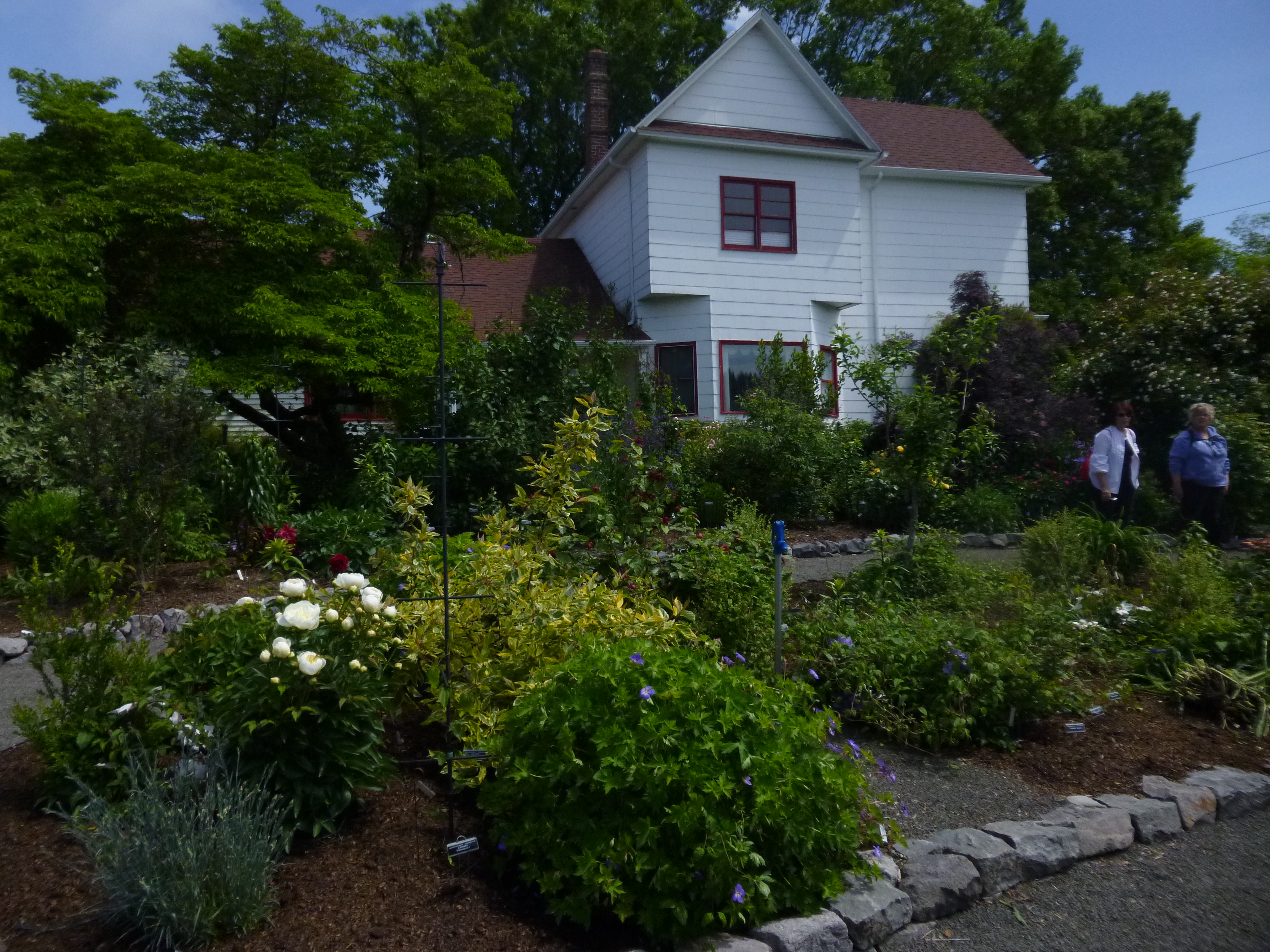
018Our last stop on the tour was a visit to the Rogerson Clematis Collection (RCC) at Luscher Farm in Lake Oswego. What a treat! I am so impressed with how RCC has designed the gardens to enhance the ambiance of the old farmhouse as well as to showcase clematis and how to use them in a garden setting. Never fear, this is no clematis monoscape; rather, clematis are artfully blended with diverse and interesting plants and structures. A cadre of RCC volunteers, as well as curator Linda Beutler, were on hand to answer questions, sell unusual clematis from the nursery, and provide tours of the many gardens. Admission is free year-round!

Would you be surprised to learn that three new clematis from Luscher Farm came home with me? Well, they did: Clematis uncinata (a late-summer-blooming evergreen clematis with small white fragrant flowers), Clematis tibetana subsp vernayi var laciniifolia (orange bells with maroon stamens, also blooming in late summer), and Clematis ‘Jerzy Popieluszko’, a large-flowered Polish clematis with lovely big white blossoms on a short plant that should work well in a pot.

View of one of the Display Gardens at Silver Star Vinery

View of one of the Display Gardens at Silver Star Vinery

Silver Star Vinery

Silver Star Vinery is a wonderful mail-order clematis source nestled in the foothills of the Cascades northeast of Vancouver, Washington. Debbie Fisher, owner and head bottle washer (er, I mean head clematis tender), invited us to stop by on our way home from Portland. How could we refuse? This is a nursery that is not generally open to the public, even though Debbie has a humungous display garden filled to the brim with an amazing variety of healthy and beautiful clematis vines. Ahhhhhh. We arrived after a long and lovely drive from the highway up into the hills alongside a meandering stream. Debbie and her fellow clematis tenders, Dennis and Doug, met us at the gate. We wandered through the gardens with Debbie, who is a font of knowledge about clematis. Below are a few of the clematis we saw in bloom there–the Clematis Multi-Blue came home with us.

Clematis Asao

Clematis Asao

Lovely Clem, but don't know the name

Lovely Clem, but don’t know the name

Another beauty!

Another beauty!

Clematis montana Marjorie

Clematis montana Marjorie

Clematis H.F. Young

Clematis H.F. Young

Clematis Ivan Olsson (one of Debbie's Favs)

Clematis Ivan Olsson (one of Debbie;s Favs)

Clematis Daniel Deronda

Clematis Daniel Deronda

Another Unknown Clematis

Another Unknown Clematis

Clematis Multi-Blue (took this luscious beauty home with me!)

Clematis Multi-Blue (took this luscious beauty home with me!)

April’s Clematis of the Month

My First Clematis Baby!

My First Clematis Baby!

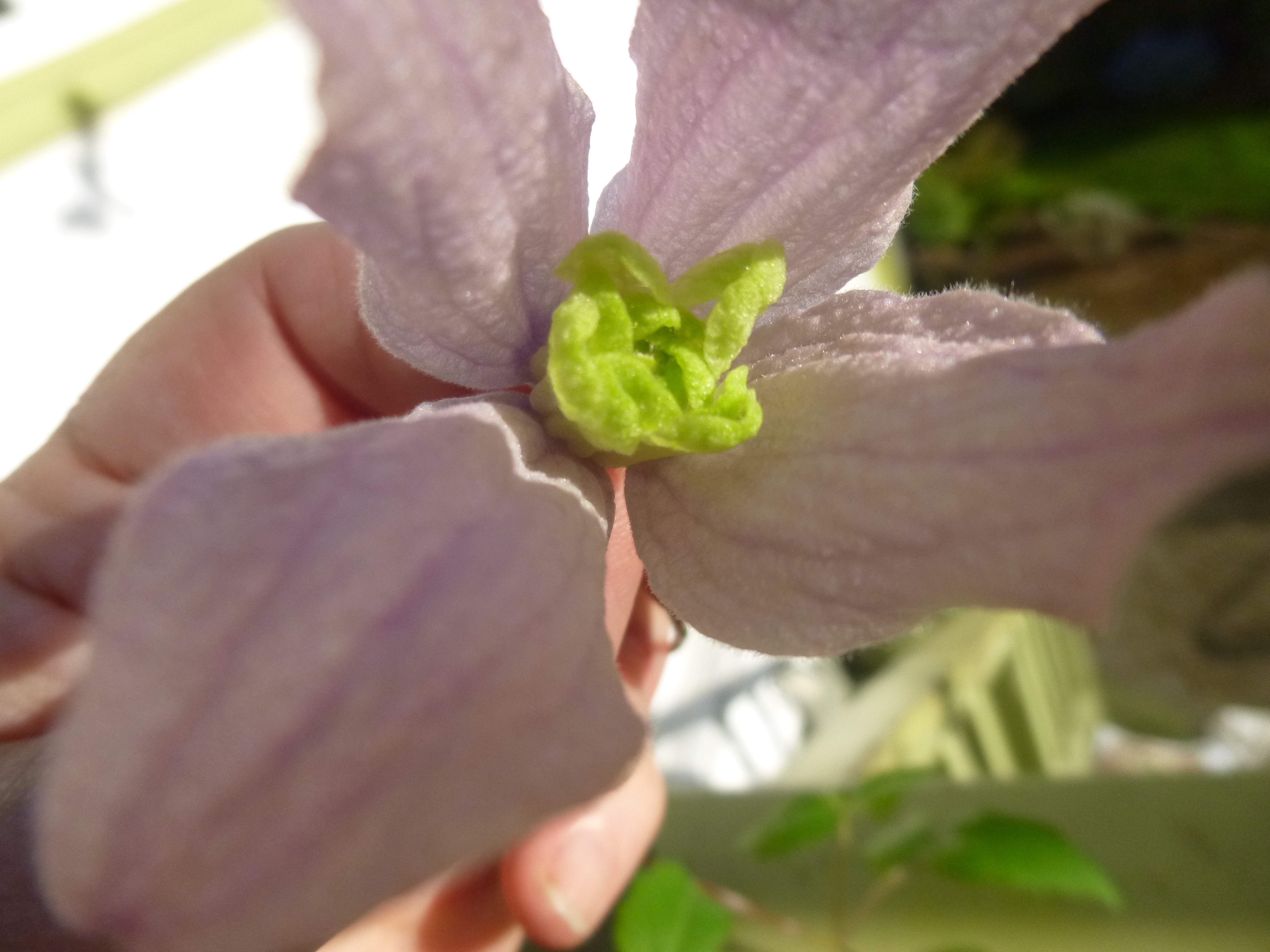
The hands-down clematis of the month in my garden in April was, of course, my little seedling of Clematis koreana var fragrans H38.  What a moniker!  Maybe I’ll just have to name this one myself.  It’s the first clematis flower I have ever gotten from seed — and it took a while.  I planted the seed in October of 2010!  I love the mauve tepals with the dark purple base.  And the piece de resistance is the chartreuse center.   I can only imagine how lovely it will be as a mature vine with hundreds of flowers.  Sigh.

The Chartreuse Center

And here are the bright chartreuse staminoides inside. 

 Below are three other clematis that were especially showy in my garden during the month of April.  Many more are enthusiastically buddng up for a May show!   

Clematis Pauline

Clematis Pauline

Clematis Pixie

Clematis Pixie

Clematis Blue Dancer

Clematis Blue Dancer

Speaking at Sky Nursery, Sunday, May 5

Sky Nursery's New Greenhouse

Sky Nursery’s New Greenhouse

If  you live in Greater Seattle and  have questions about clematis  ( how to choose a clematis, how and when to prune one, how much light they need, etc., etc., etc.), please come hear me speak on The Care and Pruning of Clematis at Sky Nursery this coming Sunday.  I will demysify the pruning of clematis for you and show you the beauty you can add to your garden–with loads of  great photos of many unusual and beautiful clematis that bloom at all different times of year.  I will also be available in the nursery’s clematis sales area after the talk to answer questions.

Where:          Sky Nursery, 185th and Aurora (Highway 99),
                        just north of Seattle in Shoreline

When:           Sunday, May 5, 1pm – 2:30pm

Cost:           FREE!

Click here for more info.

I would love to see you there!
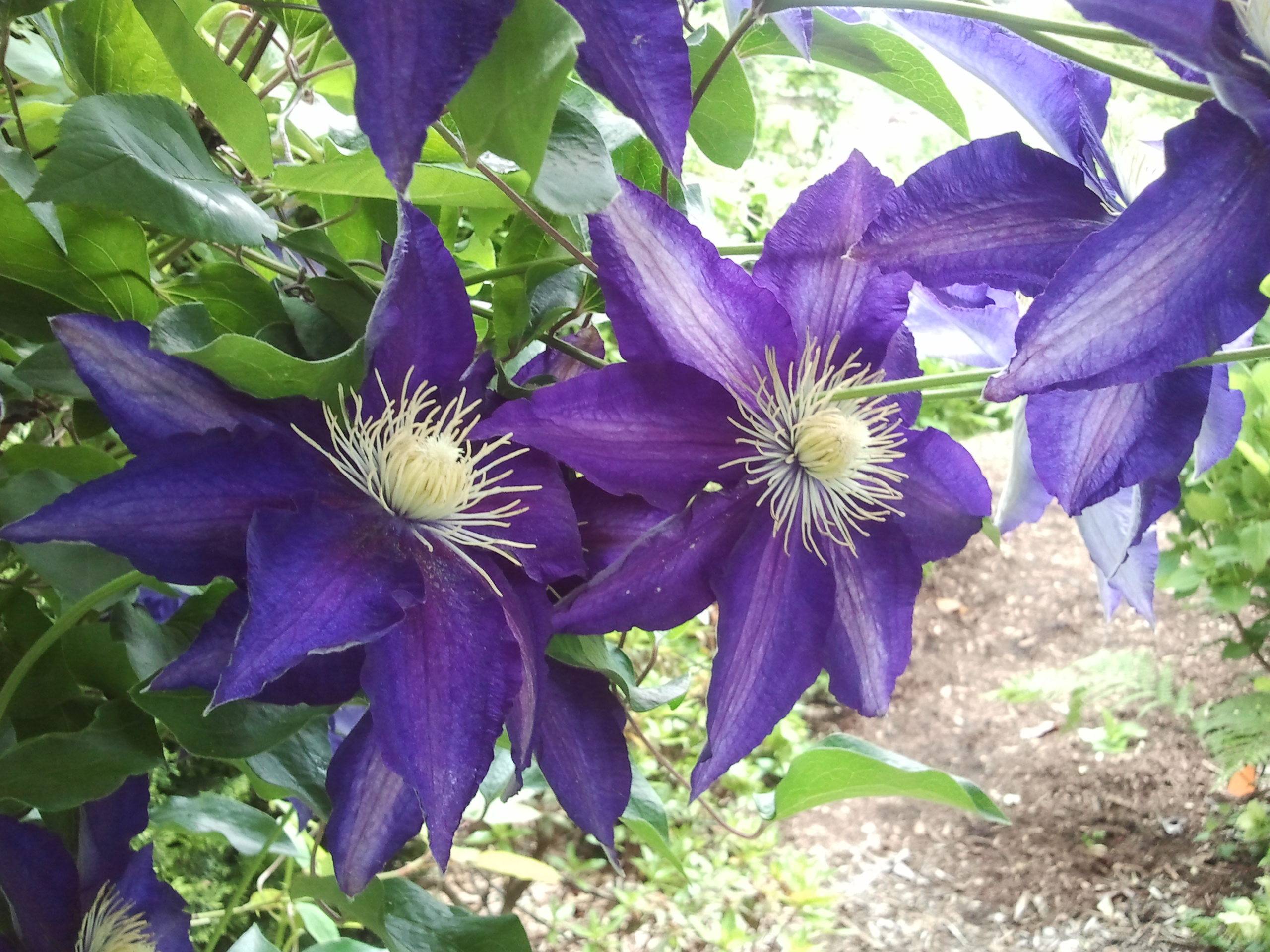
Clematis at the Arboretum Spring Plant Sale

florabundanceThe quintessential spring plant sale every year in Seattle is the Washington Park Arboretum’s Sale, and I was there last night for the opening day of this three-day event.   The sale has many vendors with interesting and unusual plants, and the Arboretum itself sells plants from its greenhouses.

And wouldn’t you know it!  T&L, a wholesale nursery specializing in groundcovers and clematis, was there!  Yikes!  I just finished getting all my plants, including clematis, in the ground.  What to do?  What to do?  Well, I took a deep breath and decided to severely limit myself to bringing home only two of the 30 or 40 varieties they had on offer.  Since I first saw it  with its 8-10″ two-toned pink blossoms at a garden tour in Portland, I’ve wanted Clematis Fireworks.   I also found Clematis Kiri Te Kanawa, a beautiful blue double hybridized by one of my favorite clematarians, Barry Fretwell.  Hmmm, now I have to decide where to plant these two June bloomers.  A few other plants also demanded that I take them home, and even my husband bought three plants himself (his taste runs to gunnera and other odd plants).

My eagle eye also spotted Clematis recta purpurea, I think somewhere in the vicinity of the Langley Gardens display, and Clematis recta ‘Lime Close’ (aka Serious Black) at Sundquist Nursery’s stand.   In earlier posts, I’ve described both of these purple-leaved clematis with fragrant white flowers.

The Arboretum Sale goes through tomorrow (Sunday, April 28), so if you’re in the Seattle area, head on over there. 

Oh, and then there’s the Master Gardener Plant Sale at the Center for Urban Horticulture next weekend!

Clematis Walk

First Entries in the 2013 Clematis Spreadsheet

First Entries in the 2013 Clematis Spreadsheet

Yesterday, the time had come for my first clematis walk of the season.  I grabbed my clipboard and headed outside to check out all the clematis on my five-page spreadsheet.  As I moseyed through the garden, I took a good hard look at each clematis—if it was doing ok, I put a check next to it in the column for the day.  When I saw no sign of life, I jotted down a question mark.  If any had shown signs of the dreaded clematis wilt, I would have written a W and quickly cut away all the damaged parts of the vine (phew—no such dastardly signs on this walk!).  If the clematis sported buds, I wrote in a B.  If it was in bloom, I counted the blooms (later in the season I often have to guestimate, especially when a plant has more than 100 blooms) and put in that number in the chart.  

Lessons from Clematis Walks

My clematis walks are leisurely and enjoyable, but they have also taught me many lessons about clematis.  For example, I’ve learned that some of the large-flowered May-June bloomers can actually be in bud for six-to-eight weeks before the first flower opens!  Talk about anticipation.  Given Seattle’s dank weather, I often find early signs of slug damage, prompting me to  use Sluggo pronto.  Wilt gets dealt with quickly.  I am able to direct the growth of the clems before they get too settled into their own sense of direction (usually up).  I have also learned when to expect blooms.  Because I have been keeping clematis spreadsheets for years, I can compare bloom times from year to year and try to anticipate when each clematis will bloom in the current year.

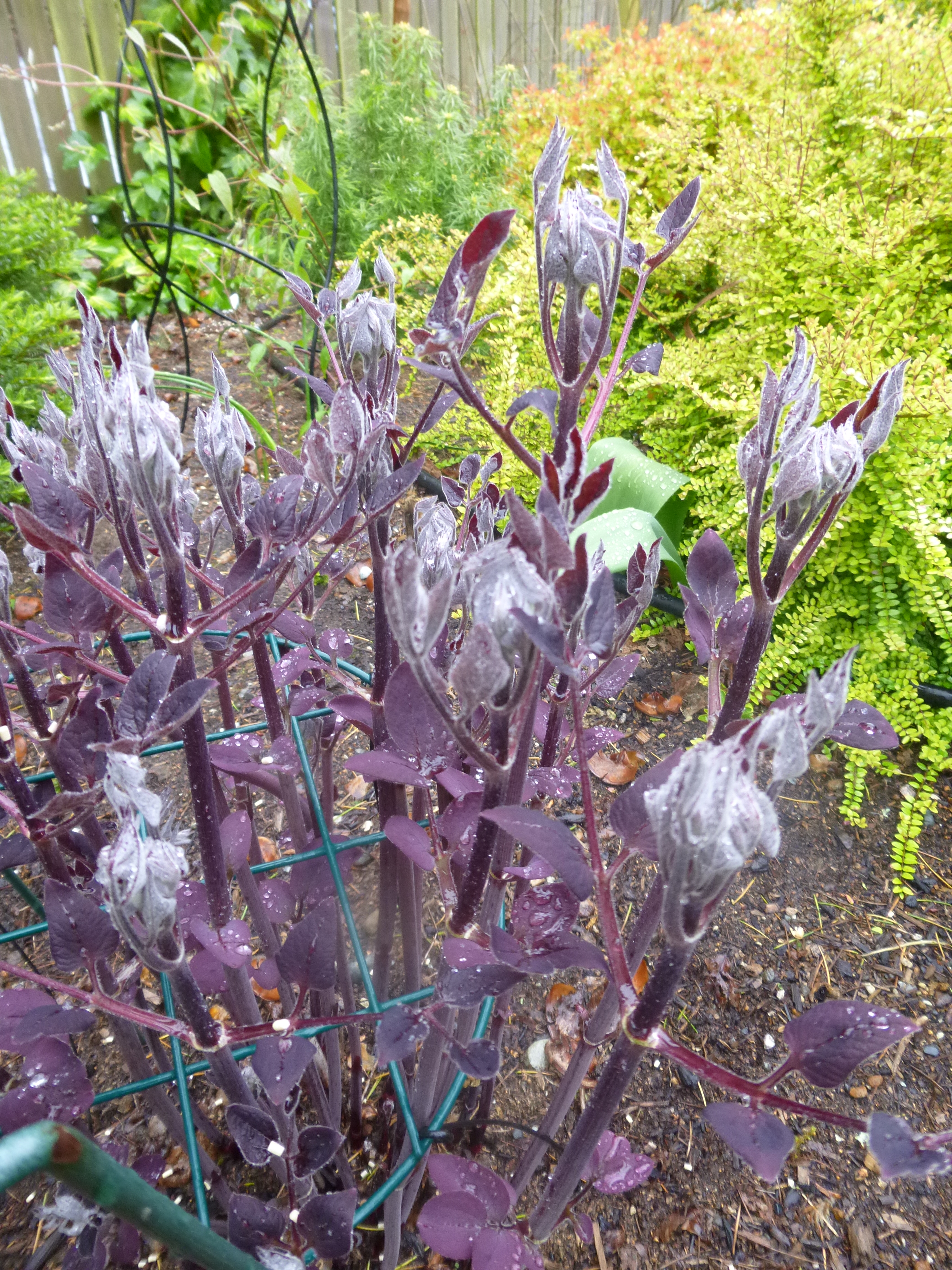
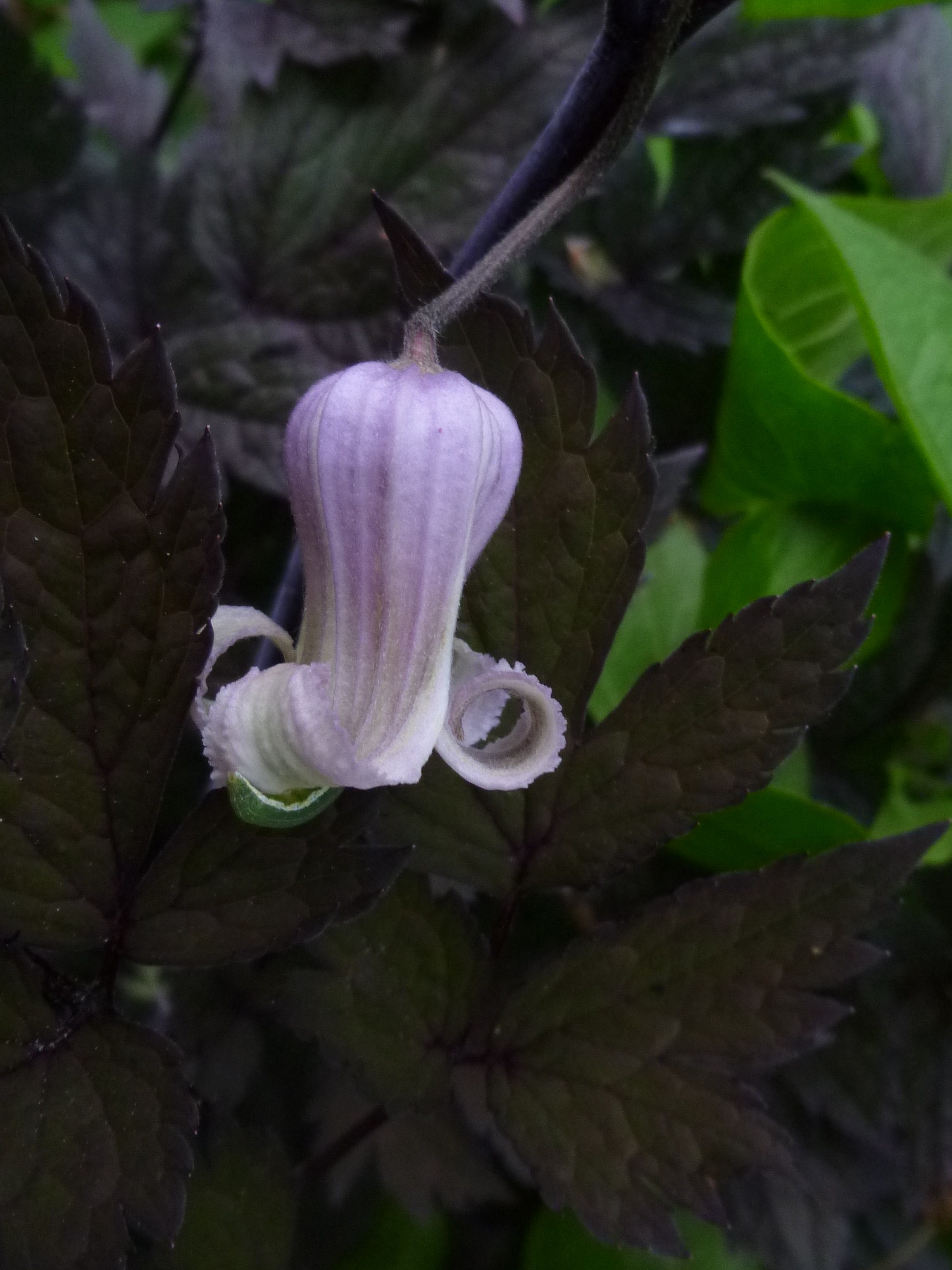
Clematis recta 'Purpurea'

Clematis recta ‘Purpurea’

On yesterday’s walk, I noted that three Clematis alpinas were blooming, especially Clematis ‘Blue Dancer,’ with 60 blossoms.  My New Zealand Clematis ‘Pixie’ had 20 creamy white blooms.  Though according to last year’s spreadsheet, my Clematis recta ‘Purpurea’ won’t bloom til mid-June, it’s already making a show in April with its deliciously dark purple leafy stems topped with fat juicy vegetative buds.  I have a similar hybrid, Clematis recta ‘Lime Close’ (aka ‘Serious Black’), which I purchased at the Flower Show in February (see earlier post for more info).   I can’t compare the two, though, because Clematis recta ‘Lime Close’  hasn’t broken dormancy yet–I purchased it bare-root and left it outside in the cold (in a pot) to fend for itself.   I expect to see new growth any time now.

Clematis 'Rebecca'

Clematis ‘Rebecca’

Clematis ‘Rebecca’, a new one that showed up on my doorstep this spring, surprised me with a beautiful flower already.  Because it arrived in only a four-inch pot, I repotted it into a larger pot, where it will live til fall when I will find it a more permanent home in the ground.

During my first clematis walk of the season, I found seventeen clematis in bud, five with blooms, and nine showing no signs of life (yet).  With all the rain we’ve been getting lately, several showed signs of slug damage.  I also noted that five of my clematis weren’t even on my spreadsheet, for Pete’s sake, a problem I quickly rectified.  So I now I know that I have 142 clematis (not counting seedlings), both in the ground and in pots. 

I wonder what I’ll learn from next week’s clematis walk.

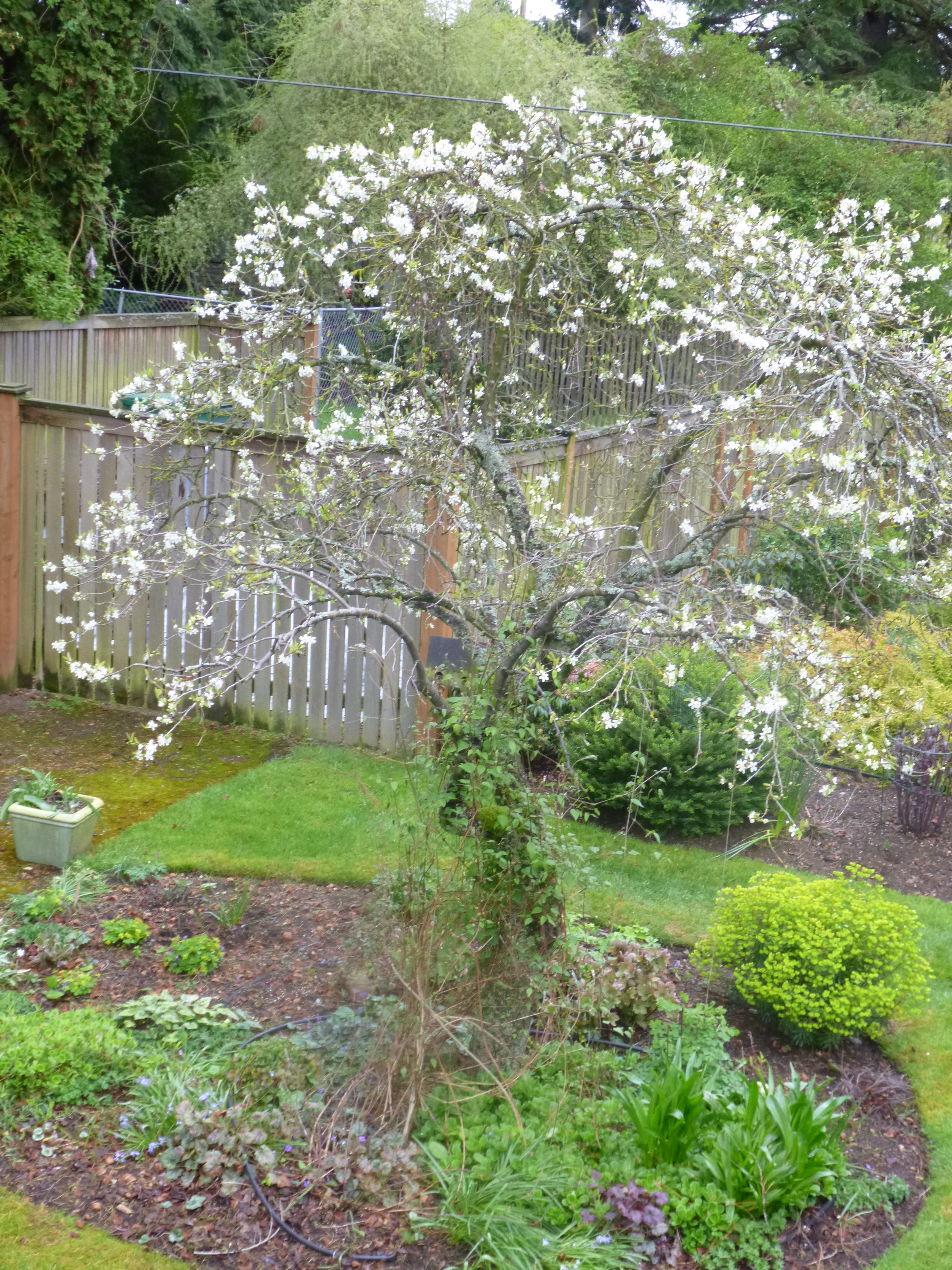
004P.S.  Just had to show you my sweet little Italian plum tree, its crown spangled with blossoms and its trunk cloaked in clematis vines.

The Race is ON!

Clemats 'Pixie'

Clemats ‘Pixie’

My sweet little fragrant New Zealand Clematis ‘Pixie’ opened it’s first flower the other day, crying Seattle raindrop tears, and now sports several more blooms.  Pixie is the only clematis currently blooming in my garden (other than that cock-eyed out-of-sync Clematis cirrhosa ‘Freckles’ described in an earlier post). 

Clematis 'Markham's Pink'

Clematis ‘Markham’s Pink’

But which spring-blooming clematis will be next?  Four or five Clematis alpinas and Clematis macropetalas are budded up and ready to burst.  My treasured Clematis koreana seedling (see last post)  is in the running, too, with its little bud swelling a bit more every day.  And Clematis montana ‘Vera’, 40’ up a 90’ Port Orford Cedar, should be showing off any time now,  draping the tree with festoons of pink.

Clematis 'Cecile'

Clematis ‘Cecile’

Clematis 'Jacqueline du Pre'

Clematis ‘Jacqueline du Pre’

Clematis 'Pauline'

Clematis ‘Pauline’

Clematis 'Blue Dancer'

Clematis ‘Blue Dancer’

My First Ever Flower Bud on a Seedling!

Oh, the anticipation!

Oh, the anticipation!

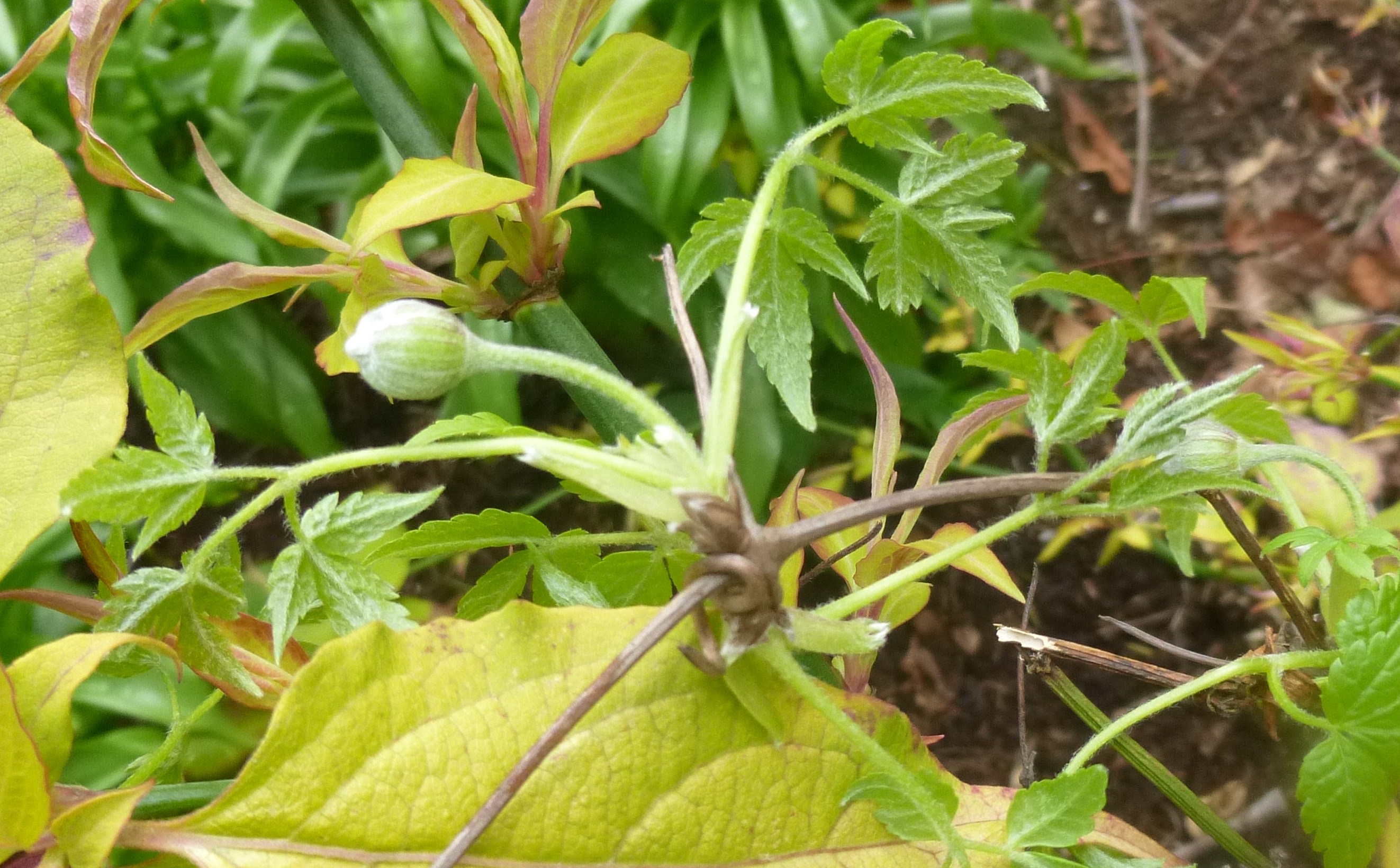
A flower bud!  Yay-haw!

On one of Seattle’s recent lovely warm spring days I decided to take a peak at my clematis seedlings to see how they faired over the winter.  Although I keep all my seedlings outside year round, I protect them a bit from Seattle’s winter rains by tucking them under Adirondack chairs and glass tables.  When I pulled all the trays out into the open the other day, I was thrilled see my very first flower bud nodding in the sunshine!  And such a lovely thing it is, too, don’t you think?

My clematarian friends first encouraged me to plant clematis seeds in 2010, and I’ve planted more every year since.  Though many have sprouted, none had budded yet—until now.  This particular plant, which I personally caused to come into being, is from seed sent to me in 2010 by a friend in Sweden.    The mother clematis (mysteriously named Clematis koreana var fragrans H38) is a spring-blooming plant with fragrant nodding bells (click here to see photos).    Though not widely grown, H38 is important because it has been used in seed crossings to develop several fragrant clematis. 

A Treasury of Potential

A Treasury of Potential

Hmmm, I wonder which clematis I should cross mine with to try to achieve a brand new fragrant clematis hybrid.

The Nitty Gritty of Pruning Early-Blooming Large-Flowered Clematis (Pruning Group B)

Clematis 'Guernsey Cream'

Clematis ‘Guernsey Cream’

Introduction

The early-blooming large-flowered clematis are the ones with heart-stopping, jaw-dropping huge and beautiful blooms in May and June. A few even bloom as early as April, at least in Seattle’s climate. Some well-known cultivars in this group include Clematis ‘Nelly Moser’ (pink), Clematis ‘Rebecca’ (red), Clematis ‘Guernsey Cream’ (cream), and Clematis ‘Daniel Deronda’ (blue). (See photos .)

Clematis 'Nelly Moser'

Clematis ‘Nelly Moser’

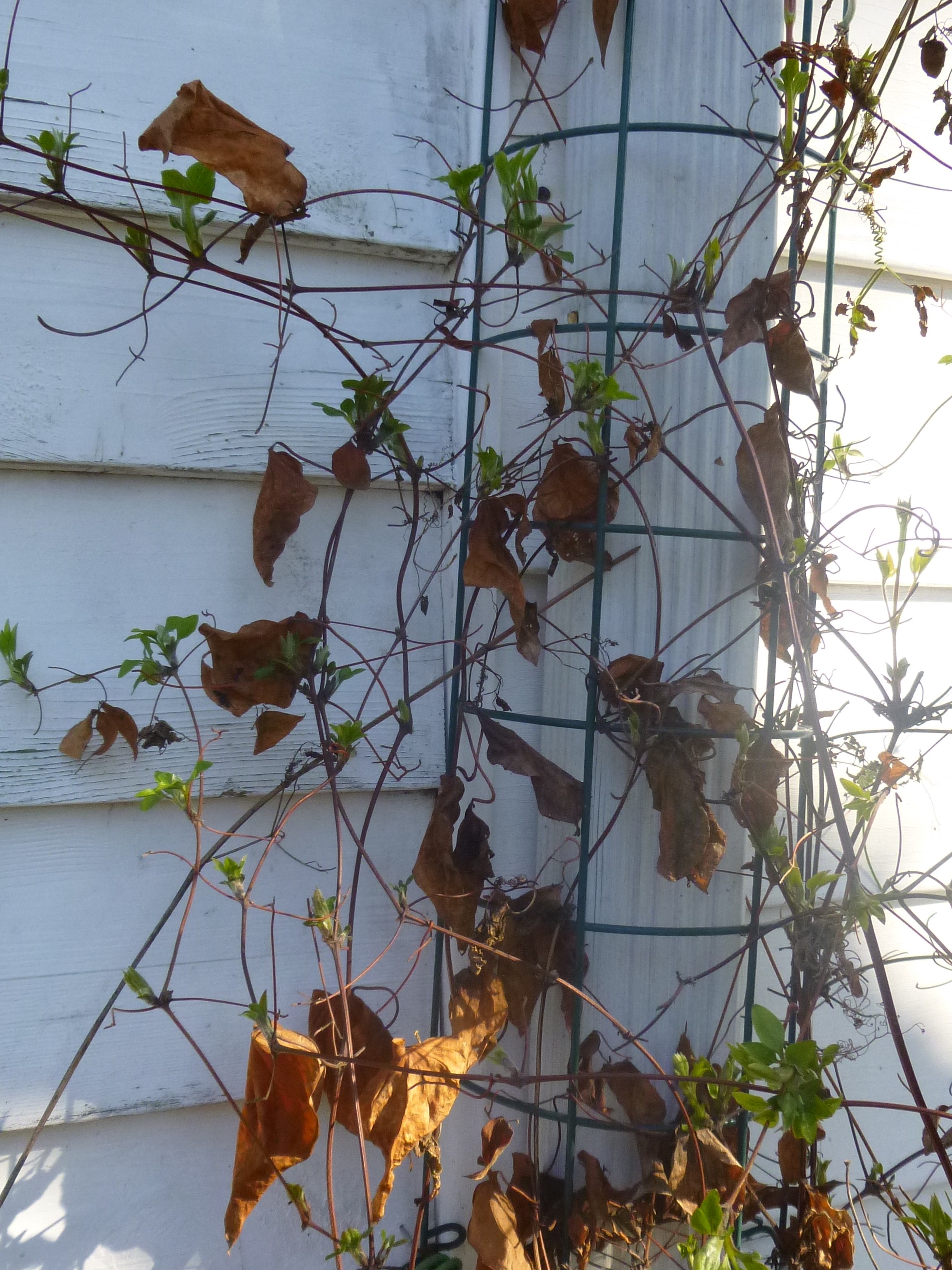
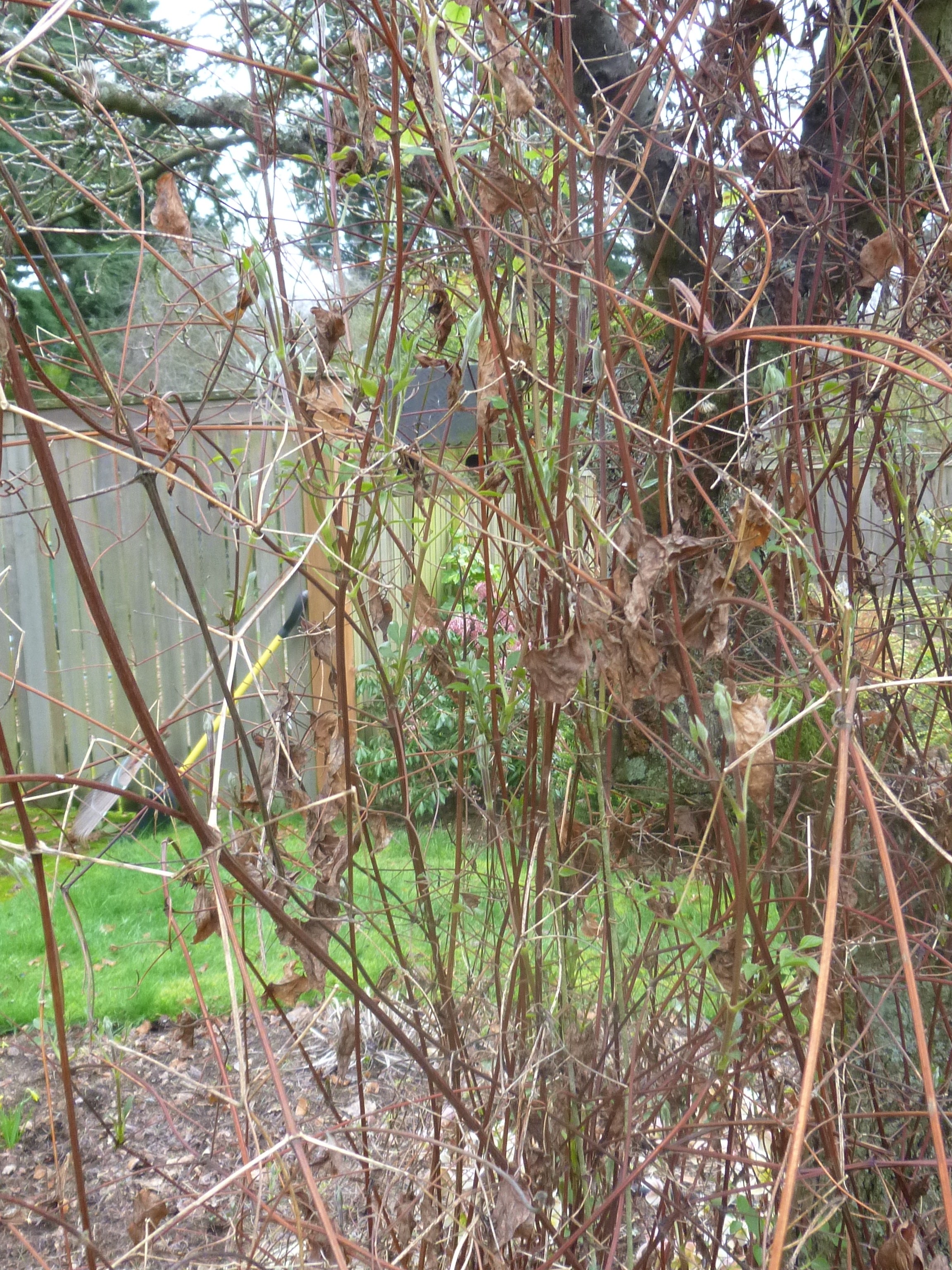
Unfortunately, Pruning Group B clematis hang onto their leaves and leaf stems all winter long, resulting in a raggedy tatty mess. Don’t plant one of these clematis by the front door, because they can’t be pruned until spring when the new green vegetative buds begin to swell, showing us where to make our cuts. Fall pruning is out because it would likely send many of those beautiful flowers off to an early death in the yard waste.   The gorgeous clematis unfortunatley also have two additional downsides:  they require fiddly pruning and they are the ones prone to a dastardly disease called Clematis Wilt.  If I can gear myself up to do it, I will write a post about wilt one of these days.

Clematis 'Rebecca'

Clematis ‘Rebecca’

Clematis 'Danel Deronda'

Stripping the Vines

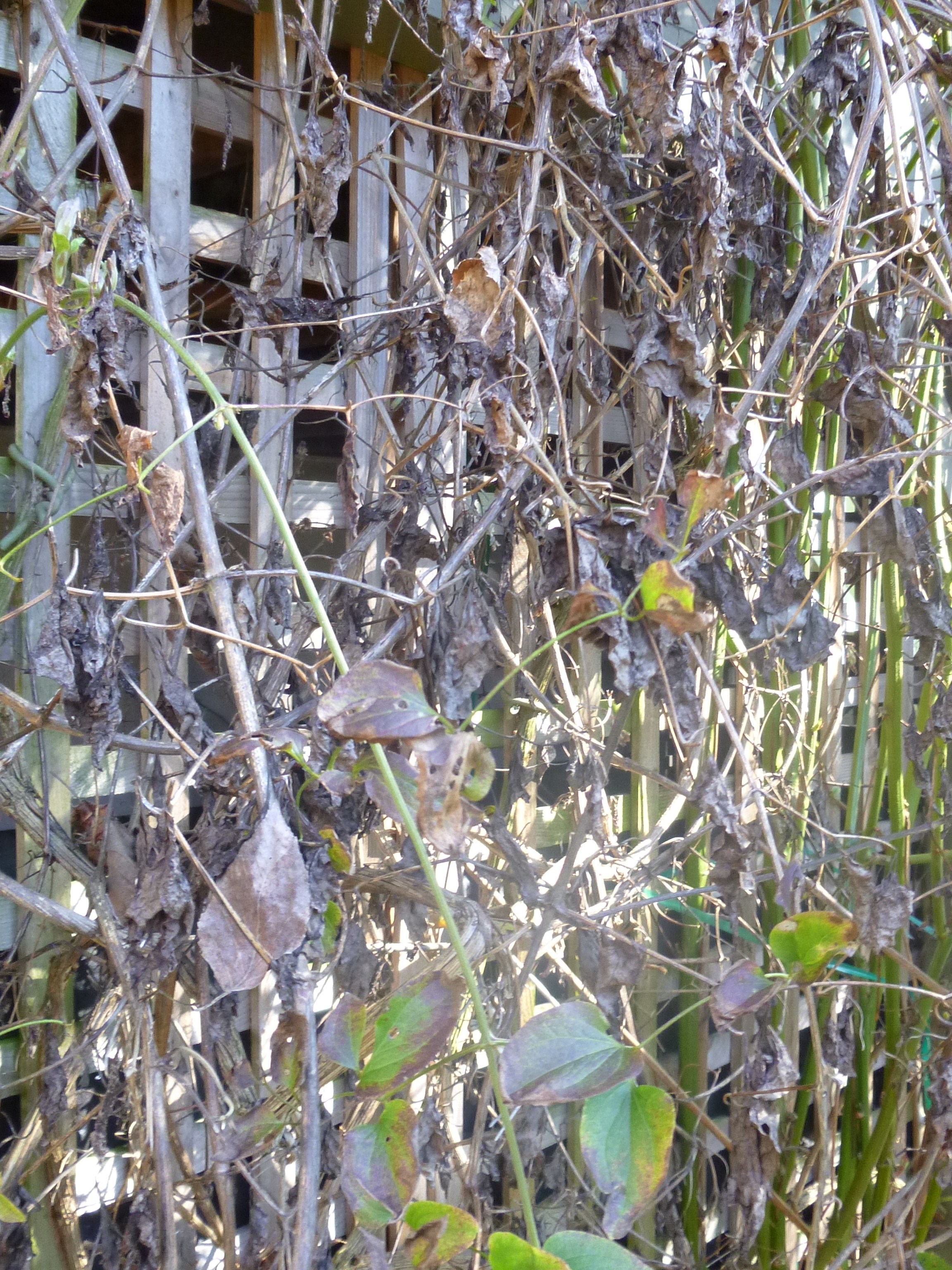
The time to prune these vines is when you begin to see green vegetative buds along the vines. The first step is to cut all the old leaves and leaf stems off the vines. The leaf stems (or petioles) are what clematis use to climb. They will have hardened over the winter and each one will have little hooks at the end (the leaf attachments), which greatly complicate untangling the vines. For a good look at what leaf stems look like, see the photo below of Clematis ‘Fair Rosamond’ before pruning. Removing the leaves and leaf stems, which is much like deadwooding a tree or shrub, is the most time consuming part of pruning the clematis in Group B. Take time and carefully remove all or most of these small leaf stems—work from the top down, bottom up, or inside out as long as you are cutting only leaves and stems, not the vines. I find that my little gardening scissors work best for this chore (see photo below). When done, you are left with stripped vines, some of which may have fallen off their supports since their little hook attachments were cut off.

Clematis 'Fair Rosamond' before pruning, showing old leaves and leaf stems

Clematis ‘Fair Rosamond’ before pruning, showing old leaves and leaf stems

Cutting Them Back

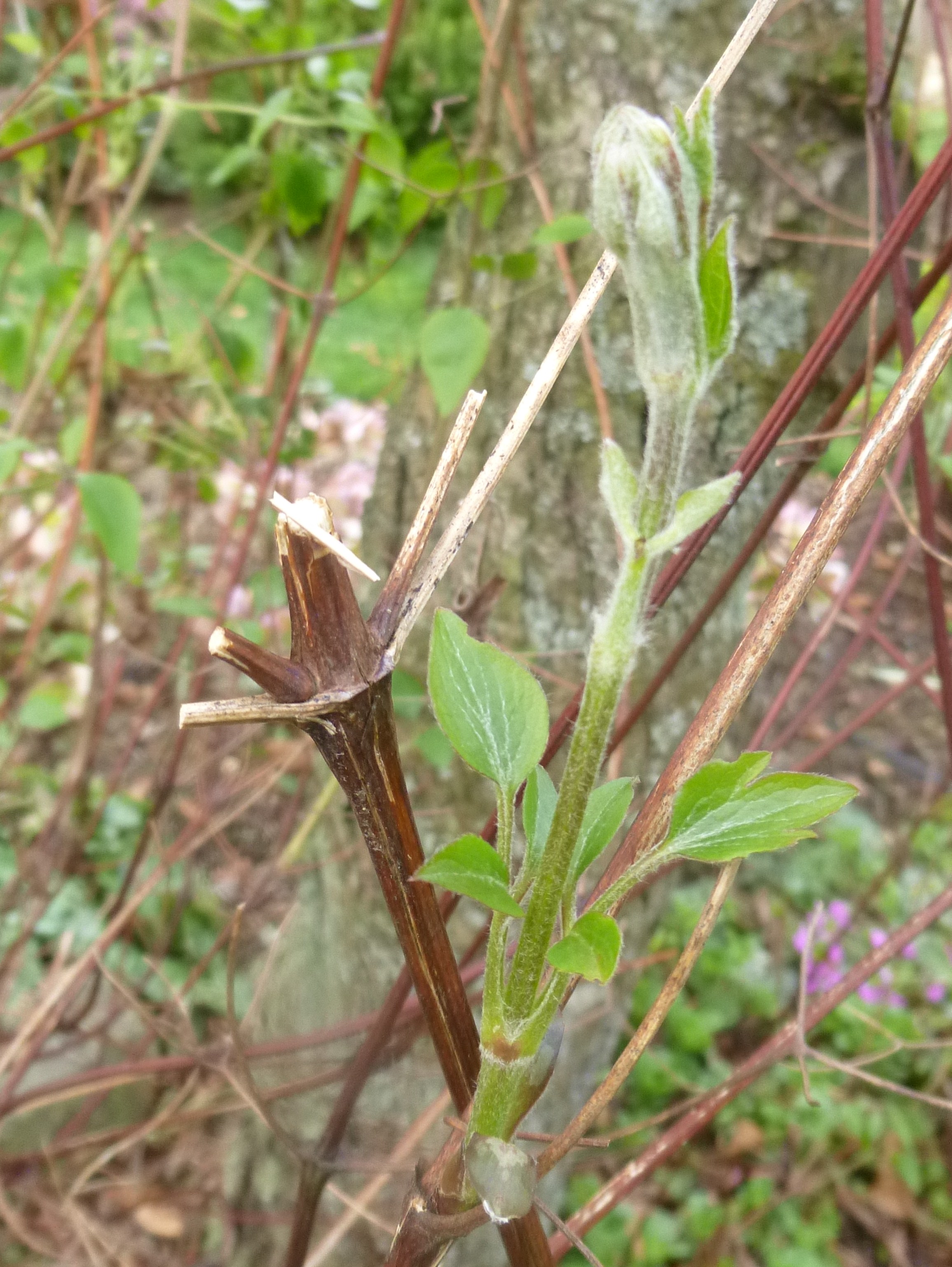
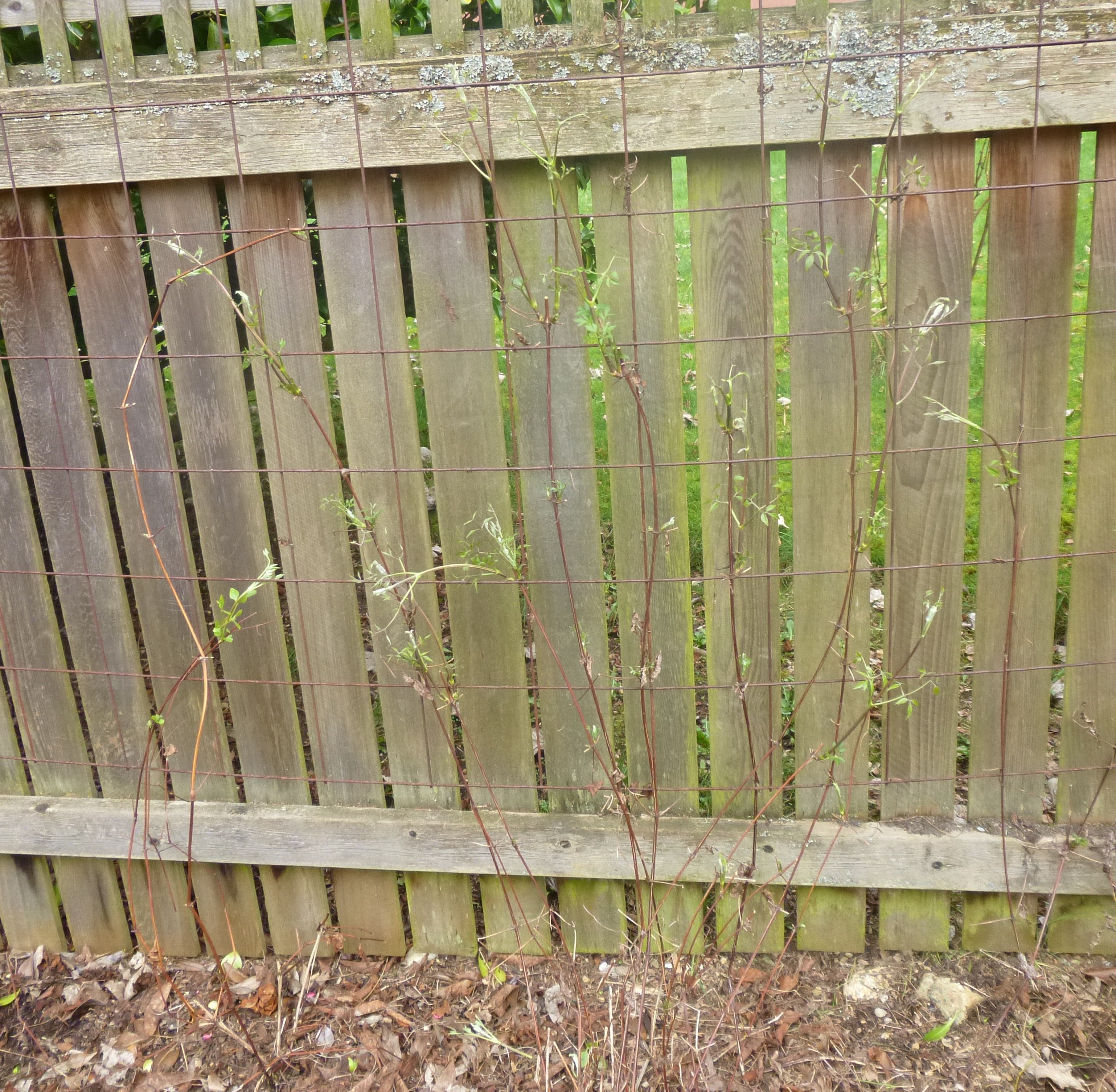
Now you can actually prune the vines.  Always do this work from the top down. The reason is that all the vines will look dead near the bottom, so you can easily cut a vine from the bottom, only to discover, to your chagrin, that the cut vine was carrying the bulk of the growth (and therefore the flowers). At the top of each vine, you will usually see a couple of joints on the stem with no growth, maybe a joint or two with puny growth, and then a joint with a large juicy green vegetative bud (see photo). Cut back to just above that juicy bud. Usually, between two inches and two feet of each vine get cut off. Don’t worry about any puny buds or no-bud joints below the juicy bud. Then tie or weave each vine onto its support. Spread the vines out as you do this and make as many as possible lay horizontally (or nearly so)—this effort will bring great rewards later with a more floriferous show over a greater area.  To see a vine with pruning completed, check out the after photo of Clematis ‘Fair Rosamond’ below.

Pruners work for cutting clematis vines, but my little gardening scissors work even better!

Pruners work for cutting clematis vines, but my little gardening scissors work even better!

After Pruning

Water and fertilize after pruning. Either use organic fertilizer (I use a mixture of manure and compost with a bit of bone meal and alfalfa thrown in) or any rose or tomato fertilizer.

Then sit back and enjoy the show! Once the clematis has just about completed its first blooming, a second bloom may occur later in the summer if you cut the vines back one-third to one-half. These clematis will grow many long vines over the summer, on which they will set the new flower buds for next year’s extravaganza. As these vines grow, twiddle or tuck the growing tips into their support in the direction you would like them to grow.

Clematis 'Fair Rosamond' After Pruning

Clematis
‘Fair Rosamond’ After Pruning

Clematis Pruning Workshop

Good Gravey, the garden is burdgeoning!  Like Ellen DeGeneres (quoting Simon and Garfunkel), I want to say slow down, you move too fast.  Whenever I’m at work, the day is perfect for gardening.  When I’m off, it pours or it’s freezing like today.  Geesh.

Students from the Clematis Pruning Workshop

Students from the Clematis Pruning Workshop

Clematis Pruning Workshop

Last week I taught a Clematis Pruning Workshop in my garden with four students attending.   I enjoyed it and learned new things myself!  The eager students seemed to have a good time as well.

Pruning Group A (Early-Blooming, Small-Flowered Clematis)

First we walked around the garden looking at how various Pruning Group A clematis look in early spring.  These clematis, which bloom between October and May, don’t usually need an annual prune. 

We checked out my Clematis montana growing in a 90′ tall Port Orford cedar (it’s about 40′ or 50′ into the tree, which looks amazing when it blooms).  We also inspected three evergreen New Zealand clematis that will show off their fragrant creamy white blossoms soon.  Two Clematis cirrhosa, also evergreen, are growing in the garden, too, and one of them, Clematis cirrhosa ‘Freckles’ (see my February post highlighting this clematis), has been in bloom for over a month now.  One of the most unusual Pruning Group A clematis I have is Clematis napaulensis, which is winter green (it goes dormant in the summer) and sports creamy white bells with red stamens in winter–mine is young and not blooming yet.  But the majority of Pruning Group A clematis in my garden are various hybrids of Clematis alpina and Clematis macropetala, both of which have lovely nodding bells in many colors in April and May.

Comparing Early  Spring Growth on Various Clematis

Clematis alpina (Pruning Group A)

Clematis alpina (Pruning Group A)

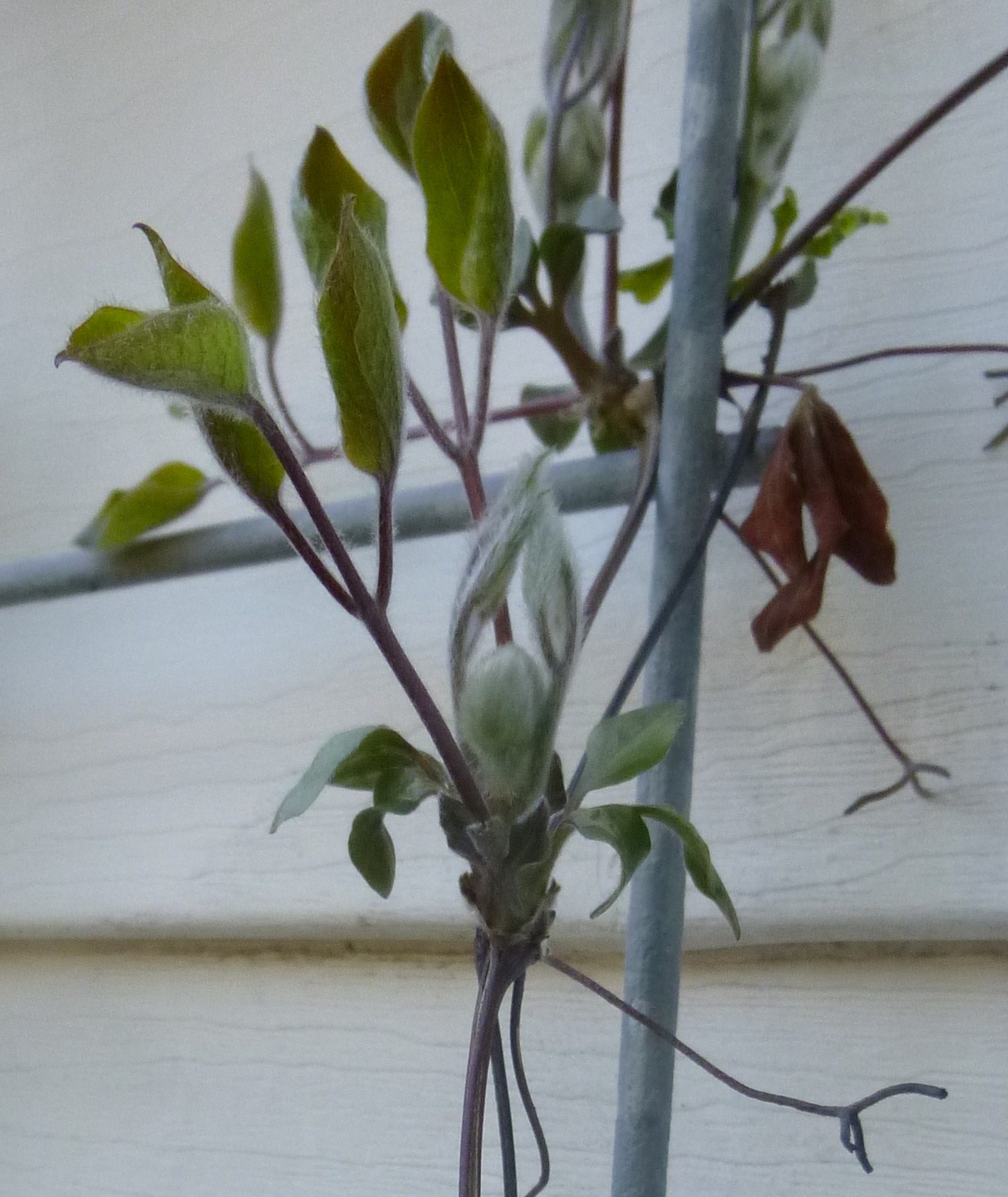
 We found that the Pruning Group A clematis (alpinas and macropetalas) and the large-flowered spring-blooming Pruning Group B clematis both had new leaf growth tight to the vine in early spring, and many were already showing flower buds.  The leaves on the alpinas/macropetalas are more finely divided than those on the Pruning Gruop B clems.  See photos.  When compared to Pruning Group C clematis in my garden, which bloom on old wood, we found that the young growth on the Cs stretched out much further from the main vine and showed no signs of flower buds.   These clematis are working to grow vines this time of year, while the As and Bs on the other hand devote their spring energy to producing flowers–they will throw vines after they finish blooming.   

Clematis 'Guernsey Cream' (Pruning Group B)

Clematis ‘Guernsey Cream’ (Pruning Group B)

Please note:  these photos and comments represent observations of particular clematis in my garden and can’t really be used to identify which pruning group another clematis represents.  If you don’t know what clematis you have or when it blooms, prune it lightly as for Pruning Group B (which will be described in my next post, coming soon) and wait to see when it blooms and what it looks like in order to identify it.  

Clematis 'Betty Corning' (Pruning Group C)

Clematis ‘Betty Corning’ (Pruning Group C)

The Actual Pruning

Pruning Group A clematis do not typically require an annual pruning.  However, because most of them are large plants, they will eventually get into trouble and need to be pruned, very often after they have gotten large and unwieldy or when they are growing where they are not wanted.   The best way to handle this situation  is to prune shortly after the plant has finished blooming.  I described the process to the group and had them practice on a large plant.  They divided the plant into two parts — you have to be a bit rough to get the plant separated into two groups, but don’t worry, the plant will recover.  Then they cut half of the plant back hard and left the other half to be pruned hard next year.   This process has the two-fold advantages of ensuring that the plant won’t succomb to the hard pruning and maximizing bloom for the following spring.

We spent considerable time on Pruning Group B plants, which require much more detailed pruning (see my upcoming post for details).  Additionally, the group pruned a large Pruning Group C plant (Clematis ‘Betty Corning’) so that it would have a leg up into the tree it is growing in (normally Pruning Group C plants are cut back to 1′ – 3′ because they bloom on new wood).    I demonstrated a similar pruning situation on a Clematis ‘Madame Julia Correvon’ that must climb a fence before it can reach the tree it will embellish with its red blossoms in summer.  See before and after photos below.


Clematis 'Fair Rosamond' Before(Pruning Group B)

Clematis ‘Fair Rosamond’ Before(Pruning Group B)

Clematis 'Betty Corning' Before Pruning

Clematis ‘Betty Corning’ Before Pruning

Clematis 'Madame Julia Correvon' Before

Clematis ‘Madame Julia Correvon’ Before


Clematis 'Fair Rosamond' After

Clematis
‘Fair Rosamond’ After


Clematis 'Madame Julia Correvon' After

Clematis ‘Madame Julia Correvon’ After

Clematis 'Betty Corning' After

Clematis ‘Betty Corning’ After

« Older entries Newer entries »